
How to Spot a Damaged Circuit Breaker Before It Becomes a Fire Hazard
Your circuit breaker panel is the safety hub of your entire home, and it works quietly in the background until something goes wrong. A breaker is designed to cut power the moment a circuit pulls too much current, which protects your wiring from overheating. When a breaker itself becomes damaged, it can stop doing that job correctly, and that failure often hides behind small warning signs that homeowners brush off. Here in the Lone Oak area, summer air conditioning loads push panels harder than any other time of year, so June is the right month to pay attention. A damaged breaker rarely fails all at once; it usually gives you weeks or months of clues first. Learning to read those clues lets you act early, before a worn breaker turns a normal circuit into a fire risk. This guide walks through the signs, the causes, and the safe way to handle a breaker you suspect is going bad.
Common Warning Signs of a Damaged Circuit Breaker
Most damaged breakers announce themselves long before they fail completely, and the trick is knowing what to listen and look for. Your panel should operate silently, stay cool to the touch, and hold power steadily without surprise interruptions. When any of those things change, the breaker is telling you something. Some symptoms feel like minor annoyances, such as a light that flickers when the air conditioner kicks on. Others are far more serious, like the smell of hot plastic near the panel. Catching these signs early gives you the chance to fix a small problem instead of cleaning up after a large one. The sections below break down the warning signs that point straight to a damaged circuit breaker.
Frequent Tripping Points to a Damaged Circuit Breaker
A breaker that trips now and then is doing exactly what it should, since tripping is the safe response to an overloaded or shorted circuit. The problem starts when one breaker trips again and again, especially on a circuit that handled the same load fine last year. Repeated trips wear down the internal spring and contacts inside the breaker, and each trip leaves the mechanism a little weaker than before. Over time that wear can cause the breaker to trip at lower and lower current levels, or it can do the opposite and fail to trip when it truly needs to. A breaker that no longer trips on a real overload is the most dangerous kind of damaged breaker, because nothing stops the wiring from overheating. You should never solve frequent tripping by simply pushing the handle back over and over. That habit masks the real issue and accelerates the damage inside the unit.
There is also the breaker that refuses to reset at all, which is a clear sign the unit or the circuit behind it has a fault. When you move the handle fully to off and then back to on, a healthy breaker snaps into place and holds. A damaged breaker may feel loose, mushy, or stuck in a middle position that is neither on nor off. That spongy feel usually means the internal trip mechanism has failed or the contacts have welded together from heat. Forcing a breaker like this back on can send full current through a circuit that already has a problem, which is how small faults grow into fires. The safe move is to leave that circuit off and have it checked. A breaker should give you a firm, confident response every single time you operate it.
Pay close attention to which circuits trip and how often, because the pattern tells a story. A bedroom outlet circuit that suddenly trips every evening may point to a failing breaker rather than too many devices. A kitchen or laundry circuit that trips under heavy appliance use might be carrying more load than its breaker rating allows, which strains the breaker each time. Tracking these events helps an electrician diagnose the root cause quickly and accurately. If you are dealing with constant tripping that you cannot explain, professional help is the smart path. Need a breaker that keeps tripping looked at fast? Click here for our circuit breaker repair service. Catching the pattern early often saves you from a much larger panel problem later.
Heat and Burning Smells From a Damaged Circuit Breaker
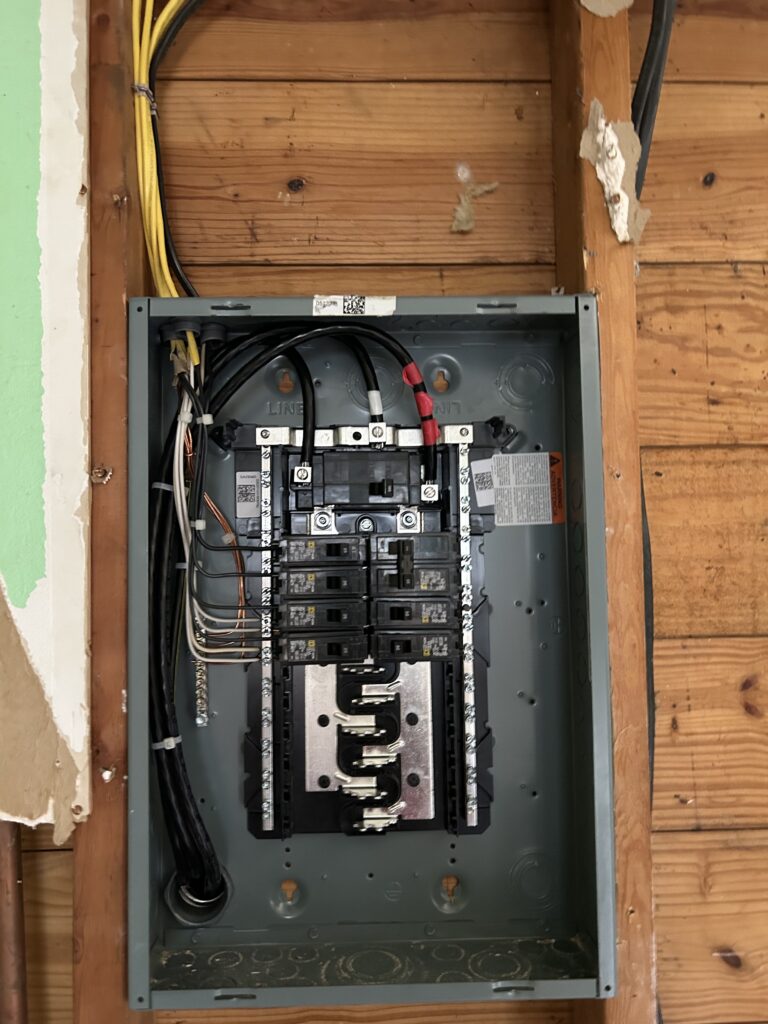
Heat is one of the loudest warnings a damaged breaker can give, and you can often feel it with the back of your hand near the panel cover. A breaker carrying normal current should feel only slightly warm, never hot. When a single breaker runs noticeably hotter than the ones beside it, that heat usually comes from a loose connection or a failing internal contact. Resistance at those weak points turns electrical energy into heat instead of passing it cleanly through the circuit. The hotter that spot gets, the faster the surrounding plastic and insulation break down. Left alone, this heat can scorch the breaker, melt the bus bar it clips onto, and ignite nearby material. A panel that feels warm in one specific area deserves immediate attention.
The smell of burning plastic or a sharp, acrid odor near your panel is an emergency, plain and simple. That smell means insulation, breaker housing, or wire coating has already started to overheat and break down. By the time you can smell it, the damage inside the panel is often well underway, and the fire risk is real. If you ever notice that odor, keep your hands off the panel and do not try to reset anything. Move people and pets away from the area and call a licensed electrician right away. A burning smell paired with a hot breaker is a combination that should never wait until morning. Dealing with a hot panel or burning smell after hours? Click here for our emergency electrician service.
Visual signs back up what your nose and hands tell you, so it pays to look the panel over in good light. Open the panel door and check for brown or black scorch marks around any breaker or on the panel face. Look for discoloration on the breaker handles, melted spots on the plastic, or a chalky residue that signals past overheating. Any of these marks means a breaker has been running far hotter than it should, and the damage may already extend to the wiring behind it. You should not remove the inner cover yourself, since the bus bars behind it stay energized even with breakers off. A trained electrician has the tools and training to inspect safely. Spotting scorch marks early is one of the clearest ways to stop a fire before it starts.
Buzzing Sounds and Flickering Lights Signal a Damaged Circuit Breaker
A healthy electrical panel makes no noise at all, so any buzzing, humming, sizzling, or crackling sound is a problem worth respecting. Those sounds usually come from electricity arcing across a loose or corroded connection inside the breaker or on the bus bar. Arcing produces intense, focused heat in tiny spaces, and it is one of the leading causes of electrical fires in homes. A faint hum that grows louder when a large appliance turns on points to a connection that can no longer carry the load cleanly. Sizzling or crackling is even more urgent, because it means an active arc is jumping the gap right now. You should treat any sound from the panel as a reason to stop using the affected circuits. Sounds inside a panel never fix themselves and almost always get worse.
Flickering or dimming lights are easy to ignore, yet they often trace back to a breaker or connection that is on its way out. Lights that dip when the air conditioner or refrigerator starts can mean the circuit is straining against a weak or undersized breaker. A breaker with loose internal contacts lets the current waver, which shows up as flickering across everything on that circuit. The same loose contact that causes the flicker also generates heat, so the two problems feed each other. Whole house flickering can point to a larger service or panel issue rather than a single breaker. Either way, lights that flicker without a clear cause are a signal, not a quirk. A quick inspection can tell you which one you are dealing with.
These symptoms rarely show up alone, and recognizing them together paints a clear picture. A breaker that buzzes, runs hot, and feeds flickering lights is a breaker that needs to come out and be evaluated. The longer a damaged breaker stays in service, the more it stresses the bus bar, the wiring, and the breakers around it. One failing unit can damage its neighbors and turn a single repair into a full panel issue. If your panel shows several of these signs at once, the safest assumption is that the breaker is failing. Want a clear answer on what your panel is doing? Click here for our electrical inspection service. A prompt look from a professional keeps a small noise from becoming a serious hazard.
How a Damaged Circuit Breaker Turns Into a Fire Hazard
Understanding why a damaged breaker becomes dangerous helps you take the warning signs seriously. A breaker is the last line of defense between a fault on a circuit and the wood, drywall, and insulation packed inside your walls. When that defense weakens, the heat that should have been cut off keeps building with nothing to stop it. Most electrical fires that start at the panel trace back to a few clear causes, and each one is preventable with early action. Loose connections, worn breakers, outdated equipment, and overloaded summer circuits all play a role. The good news is that every one of these problems gives off the signs covered above. The sections below explain how each path leads from a damaged breaker to a real fire risk.
Loose Connections Make a Damaged Circuit Breaker Dangerous
Loose connections are behind a large share of panel fires, and they form in more ways than homeowners expect. Wires naturally expand and contract as they heat and cool with daily use, and over years that movement can work a terminal screw slightly loose. A connection that was tight on installation day can become a problem connection a decade later without anyone touching it. Once a connection loosens, the contact area shrinks, resistance climbs, and that spot begins to run hot under load. The heat then makes the metal expand and contract even more, which loosens the connection further in a cycle that feeds itself. This is exactly the kind of slow failure that ends in scorched copper and melted insulation. A connection problem you cannot see is far more common than a dramatic spark you can.
Arcing is the dangerous next stage of a loose connection, and it is the point where fire becomes a genuine threat. When two pieces of metal sit close but no longer touch firmly, electricity can jump the small gap between them. That jump creates an electric arc, and arcs reach temperatures hot enough to ignite wood and plastic in seconds. Inside a closed panel full of wiring and combustible insulation, even a small arc has plenty of fuel nearby. The buzzing and sizzling sounds mentioned earlier are often the sound of arcing in progress. Because the panel cover hides all of this, an arc can run for a long time before anyone notices smoke. That hidden nature is what makes loose connections so deadly.
Only a licensed electrician should open a panel to check and tighten connections, since the bus bars stay live even when every breaker is off. The work involves measuring torque on terminals, inspecting each wire for heat damage, and confirming that every breaker seats firmly on the bus. An electrician can also spot corrosion, a known cause of resistance and heat, that a homeowner would never see. Backed out screws, overheated lugs, and damaged wire ends all get caught during a proper inspection. This is detailed, hands on work that protects your home at its most critical point. Trying to handle live panel connections without training risks shock, arc flash, and serious injury. The safe and lasting fix always belongs in professional hands.

Worn Breakers and Outdated Panels Create a Damaged Circuit Breaker Risk
Breakers are mechanical devices, and like anything with moving parts, they wear out with age and use. Every trip flexes the internal spring and slaps the contacts open, and thousands of cycles take a toll. An older breaker may lose its calibration and trip at the wrong current level, or it may stick and fail to trip at all. A breaker that has protected a circuit faithfully for thirty years has earned a checkup, because nothing lasts forever. Heat from years of normal load also degrades the internal plastic and metal over time. The result is a breaker that looks fine on the outside while it has quietly stopped protecting the circuit. Age alone is a strong reason to have an older panel evaluated.
Certain panel brands carry a documented fire risk that goes beyond ordinary wear, and many older homes around our area still have them. Federal Pacific Electric Stab Lok panels and Zinsco panels are two well known examples that electricians flag on sight. These panels have a history of breakers that fail to trip during an overload, which defeats the entire purpose of the panel. A breaker that will not trip lets a faulted circuit keep heating until something ignites. If your home still has one of these older panels, replacement is the recommended path rather than piecemeal repair. An electrician can identify the brand and condition of your panel quickly during an inspection. Knowing what is in your wall is the first step toward fixing it.
Aging panels often suffer from corrosion, damaged bus bars, and breakers that no longer clip in tightly, all of which create heat and fire risk. Moisture intrusion, common in garages and exterior panels, speeds corrosion on the bus and the breaker clips. A breaker that does not grip the bus firmly arcs at the connection point every time the circuit draws power. Once the bus bar itself is pitted or burned, individual breaker swaps stop being a real fix. At that point a panel replacement or service upgrade restores safe, reliable protection to the whole home. If your panel is old, rusted, or simply overloaded, professional guidance points you to the right solution. Concerned your whole panel is past its prime? Click here for our electrical panel repair service.
Summer AC Load Strains a Damaged Circuit Breaker
Texas summers put your electrical system under its heaviest demand of the year, and that demand exposes weak breakers fast. Your air conditioner is one of the largest single loads in the home, and it cycles on and off many times each hot day. Every startup pulls a surge of current, and a breaker already weakened by age or a loose connection feels that surge hardest. A breaker that coasted through mild spring weather can start tripping or overheating once July heat arrives. The combination of high ambient temperature inside the panel and heavy electrical load is a true stress test. Breakers that are going to fail often choose the hottest week of the year to do it. That timing is no coincidence, and it makes early summer the smart time for a checkup.
Heat works against your panel from two directions during a Texas summer, which compounds the risk. The electrical load itself generates heat inside the breaker and at every connection point along the circuit. At the same time, high outdoor temperatures raise the baseline temperature of the panel before any current even flows. A breaker that sits in a hot garage or on a sun baked exterior wall starts the day already warm. Add a heavy air conditioning load to that warm starting point, and a marginal breaker can cross into dangerous territory. This is why a breaker that seemed fine all winter can suddenly run hot in summer. The season does not create the flaw, but it reveals it.
Cooling circuits deserve special attention because of how hard and how often they run during our long summers. A dedicated air conditioning circuit should have wiring and a breaker correctly sized for the unit’s full load. When that breaker is damaged, undersized, or loosely connected, the constant cycling magnifies every weakness. Repeated heavy starts on a failing breaker can burn the contacts and damage the bus bar it clips into. Having your cooling circuits and panel checked before the peak of summer is a simple, smart habit. A short inspection now can prevent a breakdown during the hottest stretch of the year. Staying ahead of the heat keeps your home cool and your panel safe.
Why You Need a Professional to Inspect a Damaged Circuit Breaker
A damaged breaker sits at the most dangerous point in your home’s electrical system, and that is no place for guesswork. The energized bus bars behind the panel cover can deliver a fatal shock or a violent arc flash to anyone without proper training and tools. Diagnosing a breaker correctly means more than swapping the part; it means finding why the breaker failed in the first place. A licensed electrician reads the whole picture, including the wiring, the load, the bus bar, and the panel itself. That full view is what separates a real fix from a temporary patch. The sections below explain when to call, what an inspection covers, and why local homeowners trust Risen Power Electric.
When to Call an Electrician About a Damaged Circuit Breaker
Call a licensed electrician the moment you smell burning plastic, hear buzzing or sizzling from the panel, or feel heat on a breaker. Those three signs point to active overheating or arcing, and they should never wait until a more convenient time. You should also call when a breaker trips repeatedly on a load it used to handle, or when it refuses to reset firmly. A breaker that feels loose or mushy when you flip it has likely failed internally and needs replacement. Flickering lights with no clear cause, scorch marks on the panel, or a breaker that runs hotter than its neighbors all warrant a professional look. Trusting these signals early is what keeps a small repair from becoming a major event.
Some situations cross into emergency territory, and recognizing them protects your family. A burning smell combined with heat, smoke, or visible scorching means you should keep away from the panel and call for help right away. If a circuit goes dead and you smell something hot, do not attempt to reset it under any circumstances. Cut off use of the affected area and let a trained electrician take it from there. Quick action in these moments can be the difference between a service call and a fire. Facing an electrical emergency right now? Click here for our emergency electrician service. Help is available around the clock when you need it most.
Even without an active emergency, a proactive call makes sense for older homes and aging panels. A panel that is decades old, a known problem brand, or simply overloaded by modern appliances benefits from a professional evaluation. An inspection gives you a clear, honest picture of your panel’s condition and any risks it carries. Catching a weak breaker before summer heat finds it saves money, stress, and danger down the road. There is real value in knowing your system is safe rather than hoping it is. A short visit from a licensed electrician delivers exactly that peace of mind.
What a Circuit Breaker Inspection and Repair Includes
A proper circuit breaker inspection starts with a careful look at the whole panel, not just the breaker that caught your attention. The electrician checks for scorch marks, corrosion, moisture, and any breaker that shows heat damage or sits loosely on the bus. Each breaker gets evaluated for proper rating, correct seating, and firm operation when cycled. The wiring at each terminal is inspected for overheating, backed out screws, and damaged insulation. This thorough approach finds problems that a quick part swap would completely miss. The goal is to understand why the breaker failed, so the same failure does not return.
When a damaged breaker is confirmed, the repair involves more than dropping in a new part. The electrician verifies that the replacement matches the panel and the correct amperage for the circuit it protects. Loose connections get tightened to specification, corroded contacts get addressed, and the bus bar gets checked for damage where the breaker clips in. If the bus or panel itself is compromised, the electrician will explain the options clearly and honestly. You get a repair that restores real protection, not just a breaker that holds power for now. Want a damaged breaker properly diagnosed and replaced? Click here for our circuit breaker repair service.
A good inspection also looks ahead at the bigger picture of your home’s electrical health. The electrician can flag an undersized panel, an outdated brand, or circuits straining under modern loads before they become emergencies. You receive straightforward recommendations based on safety, not on selling you parts you do not need. That honest guidance helps you plan repairs or an upgrade on your own timeline. Knowing the true condition of your panel lets you make confident decisions for your family. A complete inspection turns uncertainty into a clear, safe path forward.
Why Choose Risen Power Electric for Damaged Circuit Breaker Repair
Risen Power Electric is a Master Electrician licensed and insured company that takes the safety of your home seriously. We give honest recommendations without upselling, because protecting your family matters more than padding an invoice. Our team focuses on long term safety and performance, so the work we do holds up well past the day we leave. We keep communication clear from start to finish, and we explain what we find in plain terms you can understand. When a damaged breaker needs attention, you get a straight answer and a solid fix. That ethos guides every panel we open and every breaker we replace.
We know that electrical problems rarely arrive at a convenient hour, which is why our 24/7 emergency electrical services are available when you need them. A burning smell or a hot panel at midnight gets the same fast, professional response as a scheduled visit. We also waive the diagnostic fee if we handle the repair, so getting a problem checked never feels like a gamble. Veteran discounts are available as our way of thanking those who served. Serving Lone Oak and the surrounding communities, we treat every home like it belongs to our own family. You can count on us to show up, diagnose accurately, and fix the issue right.
When you spot the signs of a damaged breaker, acting early is the surest way to prevent a fire, and we are ready to help you do exactly that. Reach out the moment something seems off with your panel, and let a licensed professional take it from there. We will inspect, explain, and repair with the care and honesty that has earned our customers’ trust. Your safety and your family’s peace of mind are worth a simple phone call. To schedule an inspection or repair, contact Risen Power Electric today at (903) 413-7186. Catch the problem early, and let us keep your home safe and powered.