
What Homeowners Should Know About Grounding an Older Texas Home
Older homes across North Texas carry a lot of charm, but many of them were built before modern electrical grounding became standard practice. If your house went up in the 1950s, 1960s, or even the 1970s, the electrical system may not have the protection that today’s appliances and electronics depend on. Grounding gives stray electrical current a safe path back to the earth, and without it, that current can travel through people, metal surfaces, or sensitive devices. Summer in Texas brings frequent thunderstorms and lightning, which raises the risk of power surges that an ungrounded home cannot handle well. A surge that hits a grounded system gets directed safely away, while the same surge in an ungrounded home can ruin electronics or start a fire. Many homeowners do not realize their system lacks proper grounding until something fails or an inspection reveals the problem. Understanding how grounding works, what problems show up in older houses, and when to call a licensed electrician can save you money and keep your family safe. This guide walks through the most important things every homeowner with an older Texas home should know about grounding.
Why Electrical Grounding Matters in an Older Texas Home
Grounding is one of the most important safety features in any electrical system, and it becomes even more critical in an older home. The purpose is simple in concept; grounding connects your electrical system to the earth so that excess or stray current has somewhere safe to go. When a wire comes loose, a short occurs, or lightning sends a surge through your lines, the ground path carries that energy away from people and property. Homes built decades ago often relied on two wire systems that included a hot and a neutral but no dedicated ground. That design met code at the time, yet it leaves modern households exposed to shock and equipment damage. Texas summers add another layer of concern because storm activity and heavy air conditioning loads push older systems harder than ever. A properly grounded home handles those demands with far less risk. If you are unsure about your home’s grounding, our electrical grounding service can help you get answers.
How Grounding an Older Texas Home Protects Your Family
The most important reason to ground an older Texas home is the safety of the people living in it. Electricity always looks for the easiest path to the ground, and in an ungrounded system, that path can run through a person who touches an energized appliance or metal fixture. A proper ground wire gives that current a low resistance route back to the panel and into the earth, which keeps it away from your body. Without that route, a simple fault inside a toaster, a washing machine, or a lamp can deliver a dangerous shock. Children and pets face even greater risk because they often touch outlets, cords, and appliances without thinking. Grounding works alongside your circuit breakers to trip the circuit quickly when a fault happens. That fast response is what turns a potential tragedy into a minor inconvenience. In an older home, restoring proper grounding is one of the single biggest safety improvements you can make.
Many older Texas homes still have outlets that were never designed to carry a ground connection. These two prong outlets cannot safely power the three prong plugs found on most modern appliances and electronics. Some homeowners use cheap adapters to force a three prong plug into a two prong outlet, and that practice removes the safety the ground prong was meant to provide. When the ground is missing, the metal housing of an appliance can become energized without anyone knowing. A person who touches that housing while standing on a damp floor or near a metal pipe can complete the circuit and receive a serious shock. Bathrooms, kitchens, garages, and outdoor areas carry the highest risk because water and moisture are common in those spaces. A licensed electrician can add proper grounding or install code approved protection in these locations. Fixing these outlets is a meaningful step toward a safer home.
Grounding also reduces the risk of electrical fires, which is a serious concern in any aging house. Loose connections, damaged insulation, and overloaded circuits can all create heat and sparks inside walls. A grounded system helps faults clear quickly so a small problem does not smolder undetected for hours or days. In an ungrounded home, a fault may continue feeding current into a wire or device until something melts or ignites. Older insulation in particular tends to dry out and crack over the decades, which exposes bare conductors. When those conductors touch a grounded metal box, the breaker trips and the danger ends. Without that ground, the same contact may simply arc and generate heat. Pairing modern grounding with an updated panel gives your home the layered protection it needs against fire.
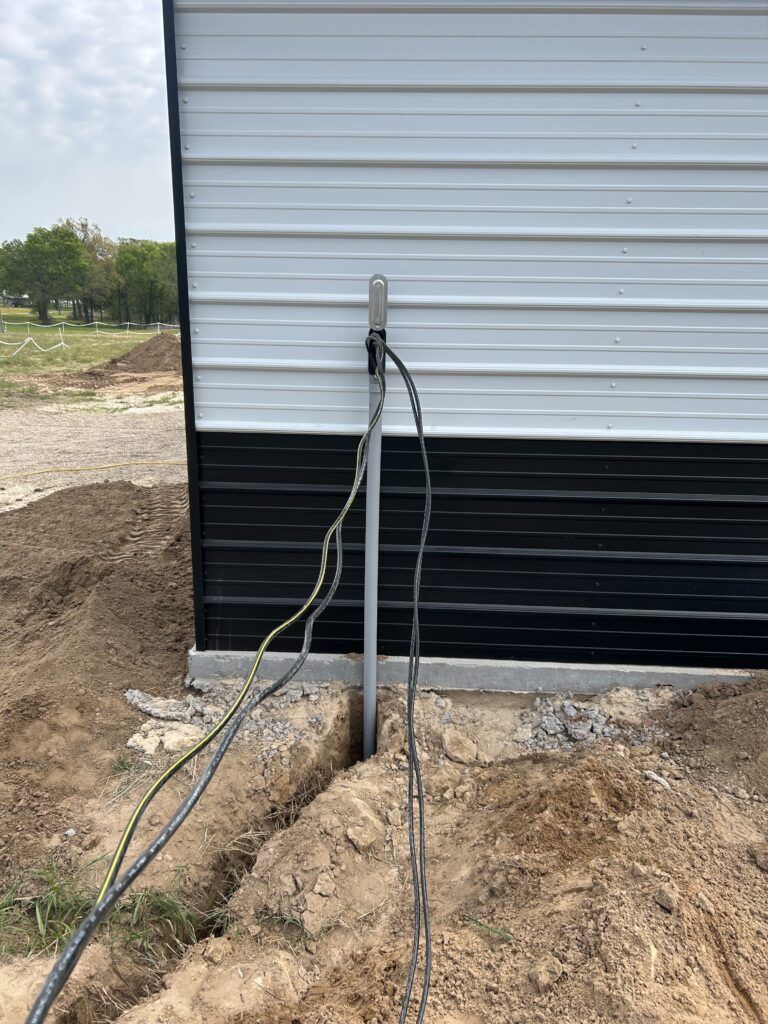
How Grounding an Older Texas Home Protects Your Appliances and Electronics
Beyond protecting people, grounding an older Texas home protects the expensive devices you rely on every day. Modern televisions, computers, gaming systems, and smart home equipment contain sensitive circuit boards that do not tolerate voltage spikes well. A grounded electrical system gives those spikes a safe path to discharge before they reach your devices. In an ungrounded home, a surge has nowhere productive to go, so it travels straight into whatever is plugged in. That single event can shorten the life of an appliance or destroy it instantly. Refrigerators, ovens, and HVAC equipment also depend on stable, grounded power to run efficiently. Replacing those large items costs thousands of dollars, which makes proper grounding a smart financial decision. Protecting your investment starts with a system that handles current the way it should.
Texas summers put extra stress on home electrical systems because of constant air conditioning use and frequent storms. Lightning does not need to strike your house directly to cause damage; a nearby strike can send a surge through power lines and into your home. Whole house surge protection works best when it has a solid grounding system to discharge that energy safely. Without good grounding, even the best surge protector cannot do its job. Many homeowners install plug in surge strips and assume they are fully protected, yet those strips offer limited defense in an older system. The combination of proper grounding and layered surge protection gives electronics the strongest shield available. If summer storms have you worried, our whole house surge protection service pairs perfectly with a grounding upgrade. Investing in both protects your home from the unpredictable Texas weather.
Grounding also helps your electronics perform better on a daily basis, not only during emergencies. Many sensitive devices rely on a clean and stable electrical reference point, and the ground provides exactly that. When grounding is poor or missing, you may notice flickering lights, audio interference, or devices that reset for no clear reason. These small annoyances often point to a larger grounding problem hiding in the walls. Computers and networking equipment are especially sensitive to grounding issues and may corrupt data or fail early. A properly grounded system reduces electrical noise and keeps your equipment running smoothly. For families that work from home or rely on smart technology, this stability matters more than ever. Correcting the grounding gives both peace of mind and better performance.
How Summer Storms Make Grounding an Older Texas Home So Important
Texas summer storms are powerful, frequent, and often arrive with little warning. Lightning, high winds, and heavy rain all create conditions that test the limits of any electrical system. An older home without proper grounding is far more vulnerable to the surges these storms produce. When lightning strikes near power lines, the resulting surge races into homes and looks for any path it can find. A grounded system directs that energy down a ground rod and safely into the earth. An ungrounded system has no such escape route, so the surge travels through wiring and into outlets, switches, and devices. The result can be damaged equipment, tripped circuits, or in the worst cases, a fire. Living in North Texas means storm season is a real and recurring threat to electrical safety.
Heat is another summer factor that makes grounding more important in older homes. Air conditioners draw a large amount of current, and they run for long stretches during the hottest months. That heavy load increases the chance of faults, overheating, and stressed connections inside an aging system. When a fault occurs in a grounded home, the breaker trips and shuts off the danger right away. In an ungrounded home, the same fault may go unnoticed while heat builds inside the walls. Older wiring already struggles with modern electrical demand, and summer pushes it even harder. Pairing proper grounding with a panel that can handle today’s loads keeps your home safer through the season. A thorough inspection is the best way to find weak points before they fail.
Preparing an older Texas home for storm season starts well before the first thunderstorm rolls in. A licensed electrician can verify that your grounding electrode system is intact and connected correctly. This includes checking the ground rods, the bonding at your water pipes, and the connections inside your panel. Many older homes have corroded, loose, or missing ground connections that quietly fail over the years. Once those problems are corrected, your surge protection and circuit breakers can work the way they were designed to. Taking action in late spring or early summer gives you protection through the most active storm months. Waiting until after damage occurs almost always costs more in repairs and replacements. A small investment in grounding now can prevent a major loss later.
Common Grounding Problems Found in an Older Texas Home
Older homes share a number of common grounding problems that homeowners should learn to recognize. Some of these issues are visible at the outlet, while others hide inside the panel or behind the walls. Knowing the warning signs helps you decide when to bring in a professional for a closer look. Two prong outlets, ungrounded metal boxes, outdated wiring methods, and so called bootleg grounds all show up regularly in houses across North Texas. Each of these creates a different kind of risk, and none of them should be ignored. The good news is that a licensed electrician can correct nearly every grounding problem found in an older home. The first step is understanding what you are dealing with. The sections below break down the most common grounding issues and what they mean for your safety.
Two Prong Outlets and Missing Grounds in an Older Texas Home
Two prong outlets are the most obvious sign of an ungrounded older Texas home. These outlets have only two slots and no opening for the rounded ground prong found on modern plugs. They were standard in homes built before grounding requirements took hold, and millions of them remain in service today. While they may still power a lamp or a clock, they cannot safely run appliances that need a ground connection. Many homeowners try to solve the problem with three prong adapters, but those adapters do nothing unless the box behind the outlet is actually grounded. In most older homes, that box is not grounded, so the adapter creates a false sense of safety. Replacing the outlet without addressing the missing ground does not fix the underlying issue. The right solution depends on what is inside your walls, which is why a professional assessment matters.
When grounding is missing, the National Electrical Code does allow a few approved fixes for older homes. One option is to run a new ground wire from the outlet back to the panel, which provides true grounding. Another option is to install a GFCI outlet, which protects people from shock even when no ground wire is present. A GFCI device monitors the current flowing through the circuit and shuts off power the instant it detects an imbalance. These outlets must be labeled to show that no equipment ground exists, so future owners understand the setup. While a GFCI protects against shock, it does not provide a path for surge protection or sensitive electronics. That is why running a real ground wire is often the better long term choice. A licensed electrician can explain which approach fits your home and budget.
Ignoring two prong outlets and missing grounds carries real consequences for an older Texas home. The most immediate risk is shock, especially in kitchens, bathrooms, laundry rooms, and other damp areas. Beyond personal safety, ungrounded outlets cannot support modern surge protection, which leaves your electronics exposed during summer storms. Home buyers and inspectors also flag ungrounded outlets, so the problem can affect your property value and future sale. Insurance companies sometimes raise concerns about older ungrounded systems as well. Addressing these outlets improves safety, protects your devices, and makes your home more attractive to buyers. The work is usually straightforward for a trained electrician once the wiring is evaluated. Taking care of it now removes a hazard that only grows more concerning over time.
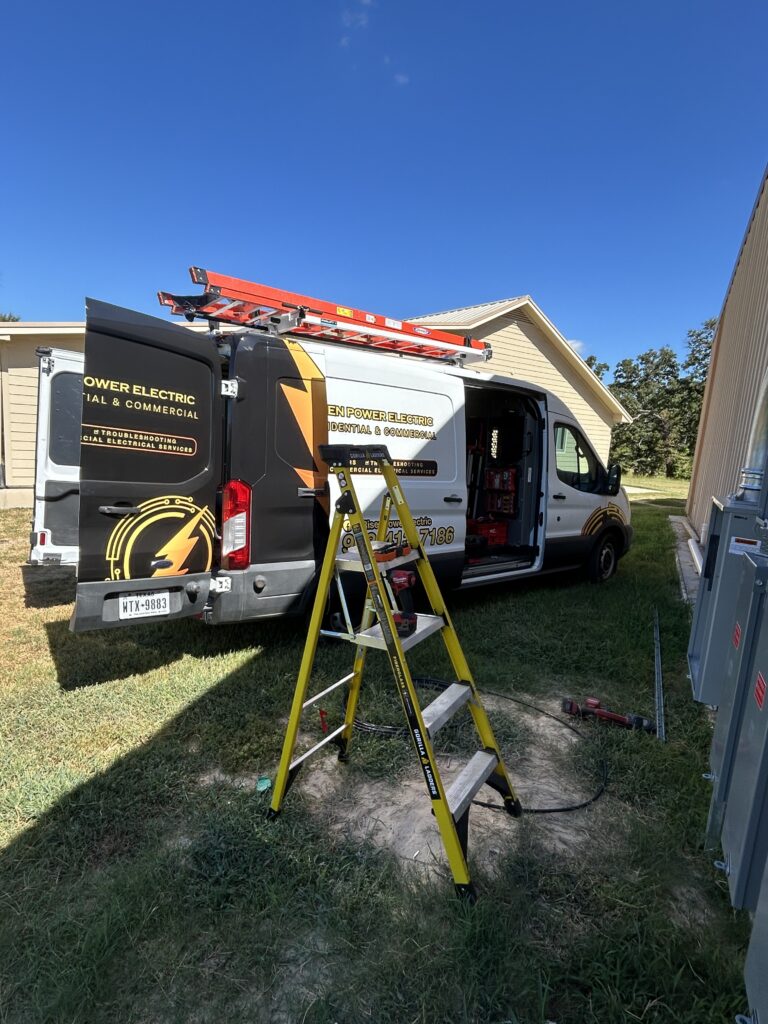
Outdated Wiring and Grounding Issues in an Older Texas Home
Outdated wiring is one of the biggest grounding challenges found in an older Texas home. Knob and tube wiring, common in homes built before the 1950s, has no ground conductor at all. Early armored cable and cloth covered wiring often lack a reliable ground path as well. Over many decades, the insulation on these older wires dries out, cracks, and crumbles, which exposes bare conductors. That deterioration raises the risk of shorts, shocks, and fires inside the walls. Because these wiring types were never built for modern electrical demand, they struggle with today’s appliances and heavy summer loads. A grounding upgrade on top of failing wiring rarely makes sense, since the wiring itself needs attention first. An electrician will evaluate the wiring and recommend the safest path forward.
Aluminum wiring is another concern in homes built during the 1960s and 1970s. Aluminum expands and contracts more than copper, which can loosen connections over time and create heat at outlets and switches. Loose connections interfere with both the hot and ground paths, which undermines the safety the system depends on. These connections can become a fire hazard if they are not corrected by a qualified electrician. Special connectors and approved repair methods exist to make aluminum wiring safer. Grounding improvements work best when the existing connections are tight and reliable. A close inspection helps identify aluminum wiring and the specific points that need attention. Addressing these issues protects both the grounding system and the home itself.
Outdated wiring also affects how well your grounding electrode system performs at the panel. The ground rods, water pipe bonding, and panel connections all need to be intact for grounding to work. In many older Texas homes, these connections have corroded, loosened, or been disturbed during past renovations. Sometimes a previous remodel replaced metal water pipes with plastic, which broke a ground path that once existed. Other times the ground rod was never driven deep enough or has rusted away below the surface. These hidden problems leave the entire home without effective grounding even when outlets appear normal. Correcting them usually involves verifying every connection in the grounding path, a job that calls for a licensed professional. Restoring those connections brings your whole system back to a safe and reliable condition.
Bootleg Grounds and Failed Connections in an Older Texas Home
A bootleg ground is one of the most dangerous shortcuts found in an older Texas home. This happens when someone connects the ground terminal of an outlet to the neutral terminal instead of running a real ground wire. From the outside, the outlet looks modern, and basic plug in testers may even show it as grounded. In reality, the setup creates a hidden hazard that can energize the ground prong and any device connected to it. If the neutral connection fails, the metal case of an appliance can become live and deliver a serious shock. Bootleg grounds were sometimes used by well meaning homeowners or unqualified handymen trying to update outlets cheaply. The practice violates code and puts everyone in the home at risk. Only a careful inspection by a trained electrician reliably catches this dangerous wiring.
Failed or corroded ground connections are another common problem in aging homes. Over decades, metal connections oxidize, screws loosen, and clamps lose their grip on pipes and rods. A ground connection that looks fine on the surface may carry almost no current because of corrosion underneath. When the ground path is broken, your entire safety system quietly stops working as intended. You may not notice anything wrong until a fault occurs and the protection fails to respond. Moisture, soil chemistry, and temperature swings all speed up corrosion on outdoor ground rods and clamps. Regular inspection catches these failures before they become a danger. Tightening, cleaning, or replacing the affected connections restores the protection your home needs.
Past renovations and do it yourself projects often create grounding problems that hide for years. A homeowner might add an outlet, swap a light fixture, or finish a room without connecting the ground properly. Each of these small changes can break or skip the ground path without anyone realizing it. Mixing old and new wiring methods also leads to inconsistent grounding throughout the house. One room may be perfectly grounded while the next has no ground at all. These inconsistencies make troubleshooting difficult and leave parts of the home unprotected. A whole house grounding inspection maps out every circuit and identifies the gaps. Correcting them brings the entire electrical system up to a consistent and safe standard.
Why You Need a Licensed Electrician to Ground an Older Texas Home
Grounding work in an older home is not a project for guesswork or quick fixes. The wiring inside aging walls is unpredictable, and the safety of your family depends on getting every connection right. A licensed electrician understands the National Electrical Code, the approved methods for retrofitting older homes, and the specific challenges that come with North Texas houses. Professional grounding work protects your family, your electronics, and your investment for years to come. Summer storm season makes this the ideal time to address grounding before the next big storm arrives. The sections below explain when to call, what to expect, and why Risen Power Electric is the right choice.
When to Schedule an Inspection for Grounding an Older Texas Home
The best time to schedule a grounding inspection is before a problem forces your hand. If your home was built before the 1980s, an inspection gives you a clear picture of the grounding system. Two prong outlets, flickering lights, mild shocks from appliances, and frequent breaker trips all signal a possible grounding issue. Summer storm season is a smart time to act because surges and heavy loads expose weak points quickly. Buying or selling an older home is another good moment to verify the grounding. Our electrical inspection service gives you a complete and honest assessment of your system.
Certain warning signs should prompt a call right away rather than a wait and see approach. A tingling sensation when you touch an appliance or a metal fixture points to a grounding fault that needs attention. Burning smells, warm outlet covers, and scorch marks around outlets are urgent and should never be ignored. Outlets that spark or feel hot to the touch also demand a prompt inspection. These symptoms suggest current is traveling where it should not, which raises the risk of shock and fire. Acting quickly on these signs protects your home and the people in it.
Routine inspections also make sense even when nothing seems wrong. Grounding problems often stay hidden until a storm, a renovation, or a failure brings them to the surface. A scheduled inspection every few years keeps your system reliable and your family safe. For older Texas homes, this kind of preventive attention is one of the smartest steps an owner can take. An electrician can document the condition of your grounding and recommend any needed improvements. Catching small issues early almost always costs less than repairing the damage they cause.
What to Expect During a Grounding Upgrade for an Older Texas Home
A grounding upgrade begins with a thorough evaluation of your existing electrical system. The electrician checks the panel, the outlets, the wiring methods, and the grounding electrode system at the service. This assessment reveals which parts of the home are grounded correctly and which parts need work. From there, you receive a clear explanation of the findings and the recommended solutions. Honest recommendations matter here because not every home needs the same level of work. The goal is to bring your grounding up to code while respecting your budget and priorities.
The actual upgrade depends on what the evaluation uncovers in your home. The work may include installing new ground rods, bonding metal water pipes, and running ground wires to outlets that lack them. In some cases, replacing two prong outlets with grounded outlets or code approved GFCI protection is the right move. Homes with failing wiring may need a larger project that addresses both the wiring and the grounding together. Each step follows the National Electrical Code and the safest accepted practices in the trade. A skilled electrician completes the work cleanly and verifies that every connection performs as it should.
After the upgrade, your home gains a level of protection it likely never had before. Grounded outlets safely support modern appliances, electronics, and surge protection equipment. Your circuit breakers respond faster and more reliably when a fault occurs. The risk of shock and electrical fire drops significantly across the entire house. You also gain documentation that helps with future inspections, sales, and insurance questions. Most homeowners feel a real sense of relief knowing their family and property are finally protected the right way.
Why Choose Risen Power Electric to Ground Your Older Texas Home
Risen Power Electric brings master electrician experience to every grounding project in an older Texas home. We are licensed and insured, and we treat your home and family with the care they deserve. Our team believes in clear communication from start to finish, so you always understand the work and the reasons behind it. We provide honest recommendations without upselling, which means we only suggest the work your home truly needs. Many older home grounding issues are simpler to fix than homeowners expect, and we will tell you that plainly. Our focus stays on long term safety and performance rather than quick sales.
We proudly serve Lone Oak and the surrounding North Texas communities, including Terrell, Forney, Royse City, Commerce, Sulphur Springs, and Emory. As a local company, we understand the older homes in this region and the storm season challenges they face. We offer 24/7 emergency electrical service for the moments when a grounding or wiring problem cannot wait. We also waive the diagnostic fee when we handle the repair, so the inspection works in your favor. Veterans receive a discount as our way of saying thank you for their service. Every job reflects our commitment to safe, reliable, and honest electrical work.
Choosing the right electrician for a grounding upgrade protects your family for decades to come. Risen Power Electric combines technical skill, honest service, and a deep respect for the homes we work in. We are ready to inspect your grounding, explain your options, and complete the work to the highest standard. Summer storm season is the perfect time to make sure your older Texas home is properly protected. Reach out today and let us help you ground your home safely and correctly. Call Risen Power Electric at (903) 413-7186 to schedule your grounding inspection.