
Why Your Outdoor Outlets Stop Working After a Texas Thunderstorm
Texas thunderstorms roll through with heavy rain, strong winds, and lightning strikes that put serious stress on your home’s electrical system. Outdoor outlets sit on the front line of that weather, taking on moisture, voltage spikes, and debris with every storm. Many Lone Oak homeowners walk outside the morning after a storm only to find that their patio lights, pool pump, or garage outlets refuse to turn on. The issue is rarely random; it points to safety features doing their job or to damage that needs professional attention. Understanding what causes these outages helps you respond quickly and protect your home from bigger electrical problems. Spring and early summer storm season in Texas brings this issue to thousands of homes every year. Risen Power Electric handles these calls regularly, so we know exactly what to look for.
How Texas Thunderstorms Affect Outdoor Outlets and Wiring
Outdoor outlets are built to handle weather, but Texas storms push them to the limit. Driving rain, hail, and high humidity can force moisture past weather covers and into the receptacle box. Lightning strikes near your home cause sudden voltage spikes that travel through your wiring and trip safety devices. Wind can also bring down tree limbs that damage exterior conduit or pull on outdoor wiring. Each of these factors plays a role in why your outlets stop working after the storm passes.
Moisture Intrusion in Outdoor Outlets During Texas Thunderstorms
Water and electricity do not mix, and outdoor outlets are designed with that in mind. Most outdoor receptacles have weather-resistant covers and gaskets that block rain when closed. Sideways rain during a Texas thunderstorm can still push moisture through tiny gaps, especially if the cover is cracked or the gasket has worn out. Once water gets inside the box, it creates a path for current to leak, which trips the GFCI protection right away. This is the safety feature working correctly to prevent shock or fire.
Humidity is another factor that homeowners often overlook in our region. Even after the rain stops, moisture can linger inside the outlet box for hours. That trapped humidity keeps the GFCI tripped and prevents the outlet from resetting until everything dries out fully. Outdoor outlets near pools, hot tubs, or sprinkler systems face the highest risk because they deal with constant water exposure on top of storm conditions. Replacing old gaskets and covers each spring helps keep moisture out during peak storm months.
Corrosion is the slow damage that moisture causes over time. Repeated cycles of wet and dry weather wear down the metal contacts inside the outlet. Once corrosion sets in, the outlet may work intermittently or stop working entirely, even on dry days. You might also notice rust around the outlet face or discoloration on the cover plate. Need help replacing a damaged outdoor outlet? Click here for our GFCI outlet installation service.
Lightning Strikes and Power Surges During Texas Thunderstorms
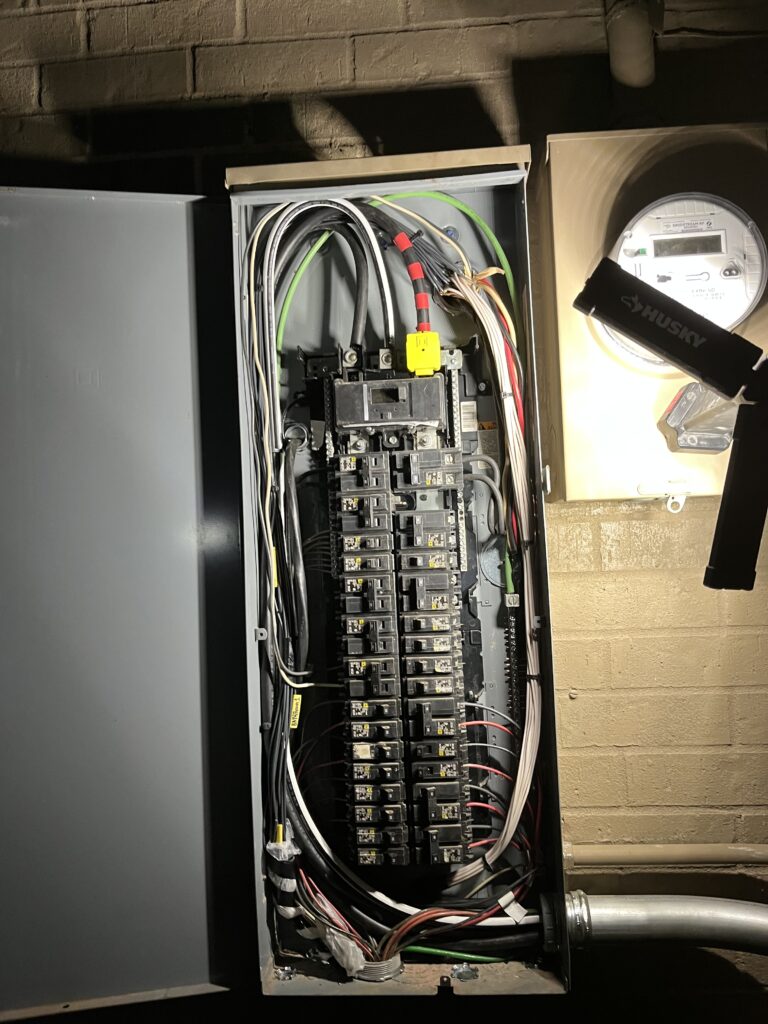
Lightning does not have to hit your home directly to cause damage. A strike anywhere on the local power grid can send a massive voltage spike racing through the lines into your house. That surge travels along your wiring and slams into every outlet, appliance, and switch along the way. Outdoor outlets sit closest to the service entry in many homes, so they often take the worst hit. The surge can fry the internal components of a GFCI outlet, leaving it permanently disabled.
Smaller surges happen during storms even without direct lightning. Wind knocks branches into power lines, transformers fail, and utility equipment cycles on and off, creating voltage fluctuations. These repeated minor surges weaken outlet electronics over time, much like running a small appliance on too much voltage. Eventually, the outlet will fail and refuse to reset or carry a load. Homes without whole-house surge protection are especially vulnerable to this kind of slow damage.
Whole-house surge protection installed at the main electrical panel stops surges before they reach your outlets. This single device shields every receptacle, switch, and appliance in your home from voltage spikes. It pairs well with point-of-use surge protectors at sensitive electronics for an extra layer of safety. Texas homeowners who add surge protection often see a major drop in storm-related outlet failures. Click here for our whole-house surge protection service to protect your home before the next storm.
Physical Damage to Outdoor Outlets From Texas Thunderstorms
High winds in a Texas thunderstorm can reach 60 to 80 miles per hour during severe events. Wind that strong throws branches, lawn furniture, and debris into the side of your home. An outdoor outlet mounted on an exterior wall can take a direct hit, cracking the cover or breaking the receptacle inside. Once the housing is damaged, water and dust enter freely and the outlet stops working. You may notice the cover hanging loose or the outlet face pushed out of alignment.
Falling tree limbs cause the most severe damage in storm-prone areas like Lone Oak and Hunt County. A limb that takes down a section of conduit pulls on the wiring inside, loosening connections at the outlet box. The outlet may seem fine on the surface but fail under load because the wires no longer make solid contact. Loose connections also create heat, which can melt insulation and cause arcing inside the wall. These issues need a licensed electrician to inspect and repair safely.
Ground movement during heavy rain is another hidden cause of outlet failure. Saturated soil shifts around buried conduit, especially for outlets at the far end of a yard or near landscaping. The shifting pulls on connections inside the ground and at the outlet, breaking the circuit. You might not see any damage above ground, but the outlet will not carry power. A proper inspection traces the wiring from the panel out to find the break.
Common Reasons Outdoor Outlets Stop Working After a Texas Thunderstorm
Several specific issues come up over and over when our electricians respond to storm-related outlet calls. Most of these problems fall into three buckets: tripped safety devices, damaged components, and circuit-level failures. Knowing what to check first can save you time and may even let you fix the issue yourself if it is something simple. Always remember that outdoor electrical work carries real shock and fire risks, so call a professional if anything looks damaged. Below are the most common reasons your outdoor outlets stop working after a Texas storm.
Tripped GFCI Outlets Stop Working After a Texas Thunderstorm
Ground fault circuit interrupters protect you from shock when water or current leaks into the outlet. Every outdoor receptacle in your home should be GFCI-protected by code. When the GFCI senses even a tiny imbalance in current, it trips and cuts power instantly. Storms cause GFCIs to trip more often because moisture and surges both look like ground faults to the device. A tripped GFCI is the most common reason outdoor outlets stop working after a Texas thunderstorm.
Resetting a GFCI sounds simple, but there are some important details to know. First, make sure the outlet area is fully dry before pressing the reset button. Moisture inside the box will cause the GFCI to trip again right away. Second, check that no appliances are plugged into the outlet during the reset, since a faulty appliance can also trip the device. Press the reset button firmly and listen for the click that confirms the circuit is back online.
Some outdoor outlets are protected by a GFCI located somewhere else in your home. This happens when one GFCI controls a string of downstream outlets to save on installation cost. The master GFCI is often in a garage, bathroom, or laundry room, not outside. If your outdoor outlet will not reset, walk through your home and check every GFCI you can find. A licensed electrician can map your circuits and label everything for easier troubleshooting in the future.
Tripped Breakers Cause Outdoor Outlets to Stop Working After a Texas Thunderstorm
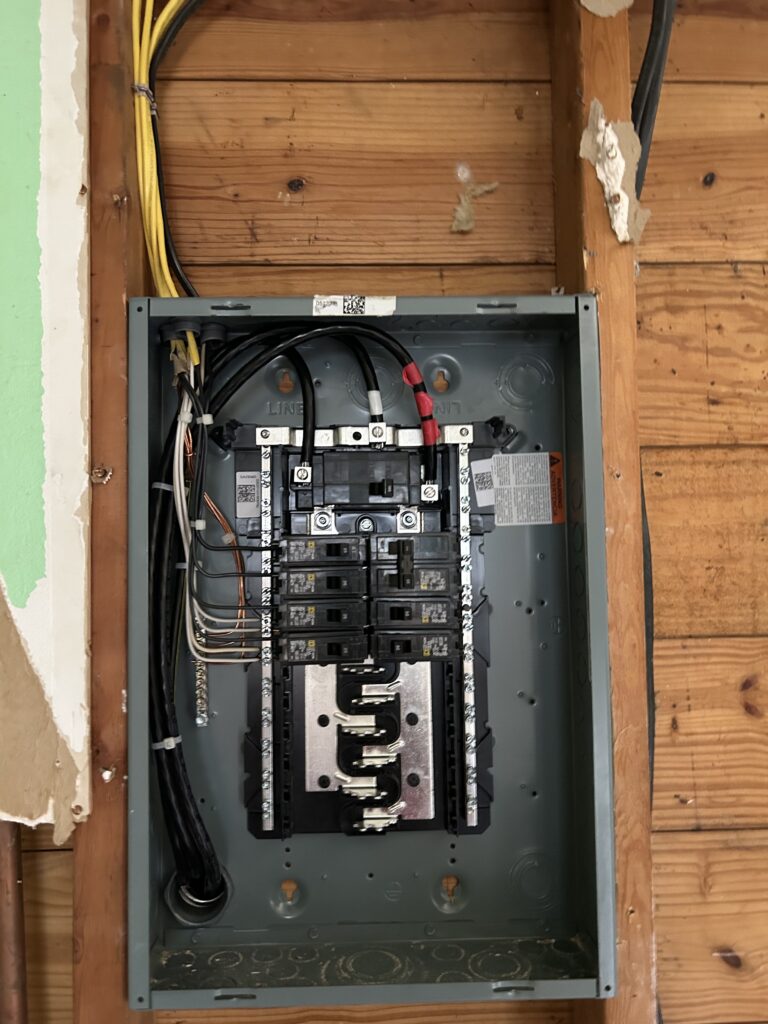
Circuit breakers in your main panel protect the wiring inside your walls from overload and short circuits. A power surge or wet outlet can cause a short that trips the breaker for that circuit. When the breaker trips, every outlet on that circuit loses power, not just the one that had the problem. You will need to find your main electrical panel and look for any breaker switched to the middle or off position. Reset it by pushing the switch fully to the off position first, then back to on.
A breaker that trips immediately after reset signals a serious problem on the circuit. This usually means there is still a short, a damaged outlet, or wet wiring somewhere on the line. Do not keep flipping the breaker back on, since repeated tripping under fault conditions can damage the breaker itself. Leave the breaker off and call a licensed electrician to find and fix the problem. Forcing power back onto a faulty circuit risks fire and equipment damage.
Older breakers wear out and become less reliable after many trip cycles. A breaker that has tripped dozens of times during years of storms may fail to trip when it should or trip for no reason at all. Both situations are dangerous, since a worn breaker no longer protects your home as designed. Replacing a single breaker is a quick service call for a licensed electrician. Click here for our circuit breaker repair service if you suspect a worn or damaged breaker after a storm.
Damaged Outlets and Wiring Stop Working After a Texas Thunderstorm
Sometimes the outlet itself takes permanent damage during a storm and needs to be replaced. Visible signs include scorch marks on the face, a melted cover, a burning smell, or buzzing sounds when something is plugged in. Any of these signs mean you should stop using the outlet right away and turn off the breaker for that circuit. Continuing to use a damaged outlet risks fire and electrical shock. A licensed electrician can replace the outlet with a new GFCI-rated unit and check the wiring behind it.
Wiring damage inside the wall is harder to spot but just as dangerous. Storm surges can burn through insulation on individual wires, creating hidden hot spots. You might notice that the outlet works at first but stops carrying full load after a few minutes of use. Or the outlet might feel warm to the touch even when nothing is plugged in. Both signs point to wiring problems that only a professional inspection can find and fix.
Underground feeder wiring for outdoor outlets is another spot where storms cause damage. Lightning that strikes near the ground can send current through the soil and damage buried wire insulation. Wet soil after a storm makes this kind of damage worse, since the current finds easier paths to nearby grounded objects. Repairs may require digging up sections of wire and replacing damaged runs. A licensed electrician will trace the circuit and find the failure point so the rest of the wiring stays intact.
Why You Need a Licensed Electrician After a Texas Thunderstorm
Texas storms can cause electrical problems that go far beyond a tripped outlet. Hidden damage to wiring, breakers, and grounding systems can sit silently in your home for weeks before causing a fire or shock. A licensed electrician brings the tools and training needed to find these issues before they become a real emergency. Risen Power Electric serves Lone Oak, Hunt County, and the surrounding North Texas communities with prompt storm response and honest recommendations. We want every home we visit to leave our care safer than when we arrived.
Why You Need a Licensed Electrician for Storm Damage Assessment
A trained electrician inspects more than just the outlets that stopped working. We test the breakers, check the panel for surge damage, and look for signs of arcing or overheating in the wiring. This full picture matters because storm damage often shows up in several places at once. Catching a damaged breaker now can prevent a fire next month when summer heat puts more load on the circuit. A proper assessment also documents the condition of your system for insurance claims if you need to file one.
We also test your grounding system after major storm events. Grounding protects your home by giving stray current a safe path to dirt instead of through your appliances or your body. Lightning strikes and surges can damage grounding rods, clamps, and bonding wires without leaving obvious signs. A weak ground system makes every future surge worse and shortens the life of your electronics. Click here for our electrical inspection service to schedule a full storm damage assessment.
Risen Power Electric brings master-electrician-level expertise to every storm call. We hold our licenses and insurance current, follow all Texas electrical codes, and treat your home with the same care we treat our own. Our team works through every outlet, switch, and panel component until we are sure your system is safe. We then explain what we found in plain language so you understand the work we recommend. Honest communication is part of how we do business.
Why You Need a Licensed Electrician for Outdoor Outlet Repairs
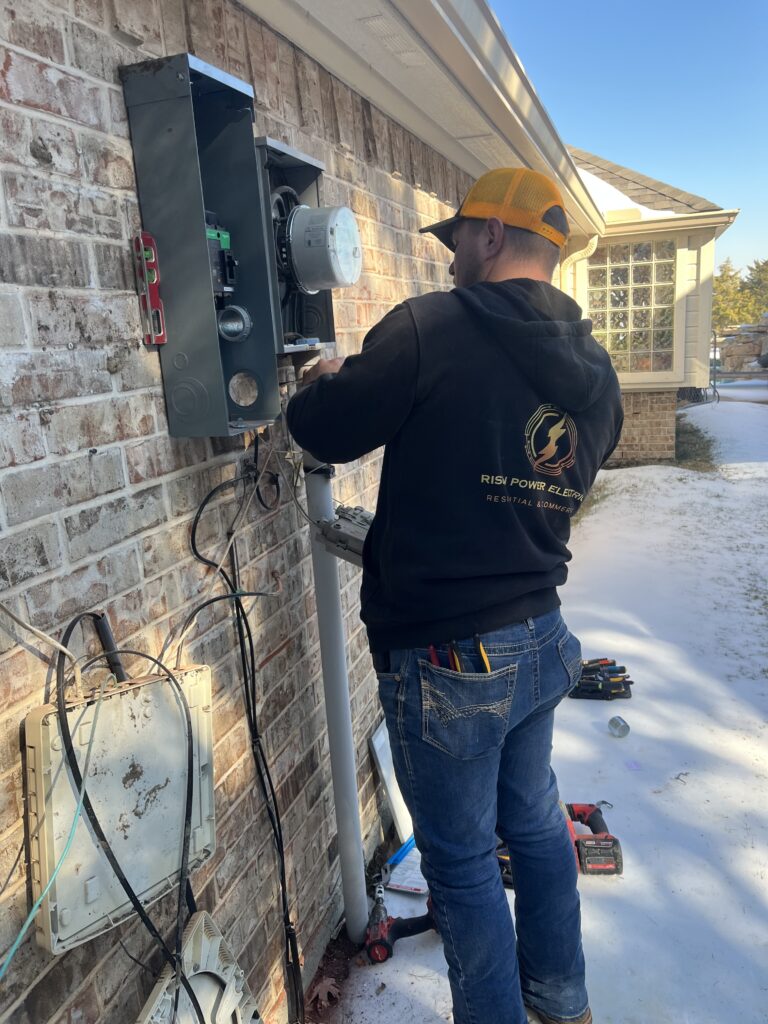
Outdoor outlets require GFCI protection and weather-resistant components by code. A licensed electrician installs the right rated parts and ensures the work meets every safety standard. DIY repairs often miss key details like proper torque on terminal screws, correct gasket placement, or the right gauge of wire for the load. Small mistakes outdoors lead to big problems when the next storm rolls in. Professional work gives you confidence that your outlets will hold up under Texas weather.
Permits and inspections come into play with any major outdoor electrical work. We pull the right permits, schedule city or county inspections, and make sure your home stays compliant. This documentation protects you when you sell the home or file insurance claims. It also protects you from code-violation fines and forced rework. We handle all the paperwork so you can focus on enjoying your home.
We back our work with strong warranties and clear pricing. You know up front what the repair will cost and what is included. No hidden fees, no surprise upsells, no pressure tactics. If we say a fix will hold, we stand behind that promise. That is how Risen Power Electric has built trust with our neighbors across North Texas.
Why You Need Risen Power Electric for Storm Damage Repairs
Risen Power Electric brings master-level electrical expertise to every call across Hunt County and the surrounding area. We are licensed, insured, and available 24/7 for storm emergencies. Our team understands the specific challenges that Texas weather creates for home electrical systems. From sudden lightning surges to slow corrosion from humidity, we know what to look for. We arrive on time, work clean, and respect your home.
We also believe in honest recommendations without upselling. If your outlet just needs a reset and a new gasket, that is what we tell you. We waive our diagnostic fee when we handle the repair, so you only pay for the work that actually fixes the problem. Veterans receive an additional discount as our way of saying thank you for your service. Every job, large or small, gets the same focus on long-term safety and performance.
Got outdoor outlets that stopped working after the last storm? Do not wait for the problem to grow into something dangerous. Call Risen Power Electric at (903) 413-7186 to schedule your storm damage inspection today. We serve Lone Oak, Sulphur Springs, Royse City, Forney, and every community in between with the kind of service you can count on. Your safety is our top priority, and we look forward to earning your trust.