
How to Wire a Backyard Hot Tub the Right Way for Safe Summer Use
Summer is the perfect time to enjoy a backyard hot tub, but the wiring behind it needs to be done correctly to keep your family safe. A hot tub pulls a significant amount of power, and the combination of water and electricity creates serious risks when the installation is not handled by a licensed professional. Proper hot tub wiring involves dedicated circuits, a GFCI disconnect, weatherproof conduit, and bonding to prevent stray voltage. Cutting corners can lead to tripped breakers, damaged equipment, or shock hazards that put swimmers in danger. The good news is that a correctly wired hot tub will run smoothly all summer long without surprises. Risen Power Electric handles every hot tub installation with the precision and safety standards Lone Oak homeowners deserve.
Understanding the Electrical Requirements for a Backyard Hot Tub
Before any wires are pulled, the electrical demands of your specific hot tub model must be reviewed. Most plug-and-play units run on a standard 120-volt outlet, but larger backyard hot tubs require a 240-volt dedicated circuit with a 40-amp or 50-amp breaker. The manufacturer’s manual lists the exact amperage, voltage, and wire gauge needed for safe operation. Skipping this step often leads to undersized wiring, overheating, or nuisance tripping during heavy use. Code requirements from the NEC also dictate disconnect placement, bonding, and conductor type for outdoor installations. Getting these details right from the start saves money and prevents future safety issues.
Reviewing the Hot Tub Electrical Requirements Before Installation
Every hot tub comes with a data plate or installation manual that lists the required voltage and amperage draw. A 240-volt model usually needs a four-wire setup that includes two hot conductors, a neutral, and a ground. The breaker size must match the manufacturer’s recommendation exactly, since oversizing the breaker can prevent it from tripping during a true fault. Wire gauge matters just as much; a 50-amp circuit typically calls for 6-gauge copper conductors rated for wet locations. Using the wrong wire size causes heat buildup inside the conduit and shortens the lifespan of the entire system. A licensed electrician will verify all of these specs against the unit before pulling a single wire.
Load calculations on your existing electrical panel are the next step in the planning process. Adding a 50-amp hot tub circuit to a 100-amp service panel that is already near capacity can create overload conditions throughout the home. Risen Power Electric performs a full load analysis to confirm your panel has the available capacity for the new circuit. If the panel is undersized, a service upgrade may be needed before the hot tub circuit can be added safely. Skipping this calculation is one of the most common mistakes DIY installers make. A proper review protects both the hot tub and the rest of your home’s electrical system.
Permits and inspections are required for hot tub wiring in Texas, and for good reason. Local code officials verify that the disconnect, bonding, and GFCI protection meet current safety standards before the system is energized. Pulling a permit also protects your homeowner’s insurance coverage in the event of a future claim. A licensed electrician handles the permit process and coordinates the inspection on your behalf. Need a professional hot tub installation done right? Click here for our hot tub installation service. Working with a licensed electrician ensures your project passes inspection the first time.

Choosing the Right Hot Tub Electrical Circuit and Breaker
A dedicated circuit is non-negotiable for any 240-volt hot tub installation. Sharing a circuit with other appliances creates voltage drops, tripped breakers, and damaged heating elements over time. The dedicated line runs from your main panel directly to the hot tub disconnect with no other loads tied in. This setup gives the hot tub the clean, consistent power it needs to maintain water temperature and run the jets efficiently. A separate circuit also makes troubleshooting much easier if a problem ever develops. Risen Power Electric installs every hot tub circuit as a true dedicated run for maximum reliability.
The breaker itself must be a GFCI type, also called a ground-fault circuit interrupter. This device shuts off power within milliseconds if it detects current leaking to ground, which is exactly what happens during an electrical shock. NEC code requires GFCI protection on all hot tub circuits without exception. The GFCI breaker is typically installed inside a weatherproof disconnect box located within sight of the hot tub but at least five feet away. This distance keeps the disconnect accessible during an emergency while preventing accidental contact from the water. Proper placement is reviewed during the rough-in stage of every installation.
Breaker compatibility with your existing panel is another factor that gets overlooked in DIY projects. Different panel manufacturers use different breaker styles, and using the wrong brand voids the panel’s UL listing. A licensed electrician matches the breaker to the panel and confirms the bus bar can handle the additional load. The breaker is then labeled clearly so anyone working on the system in the future knows exactly which circuit controls the hot tub. Small details like this make a real difference in long-term safety. Risen Power Electric documents every circuit installation for future reference.
Sizing the Hot Tub Electrical Wiring and Conduit Correctly
Wire gauge selection depends on the amperage of the circuit and the distance from the panel to the hot tub. A 50-amp circuit running 50 feet or less typically uses 6-gauge copper THHN or THWN conductors. Longer runs require an upsize to 4-gauge to compensate for voltage drop along the way. Aluminum wire can be used in some cases, but copper remains the preferred choice for outdoor hot tub circuits because of its lower resistance. The conductors must also be rated for wet locations since they will be installed in conduit exposed to weather and ground moisture. Choosing the right wire from the start prevents overheating and equipment damage down the road.
Conduit type matters just as much as the wire inside it. PVC conduit rated for direct burial is the standard choice for the underground portion of the run from the house to the hot tub. Above ground, sealed PVC or weatherproof flexible conduit protects the conductors from sun, rain, and physical damage. All fittings must be glued and watertight to prevent moisture from entering the system. Burial depth in Texas is typically 18 inches for PVC and 24 inches for direct-buried cable. These depths protect the wiring from accidental damage during yard work or landscaping projects.
Junction boxes and disconnect enclosures must also be rated for outdoor use. A NEMA 3R or NEMA 4 enclosure keeps water, dust, and insects out of the electrical connections. Inside the disconnect, the conductors are terminated cleanly with the correct torque specifications applied to each lug. Loose connections are a leading cause of arc faults and electrical fires in outdoor installations. Risen Power Electric uses calibrated torque tools on every termination to meet manufacturer specifications. This attention to detail is what separates a code-compliant installation from one that simply looks finished.
Bonding and Grounding Your Hot Tub Electrical System
Bonding is one of the most misunderstood parts of hot tub wiring, and skipping it is a serious safety hazard. The NEC requires an equipotential bonding grid around the hot tub that ties all metal components together at the same electrical potential. This includes the hot tub frame, metal piping, pump motors, and any nearby metal structures within five feet. The goal is to eliminate voltage differences that could cause a shock when someone touches two metal objects at the same time. Bonding works hand in hand with the grounding system but serves a different purpose. Both must be installed correctly for the hot tub to be safe.
Installing the Hot Tub Electrical Bonding Grid
The bonding conductor is typically a 8-gauge solid copper wire that is not insulated. It connects to the bonding lug on the hot tub equipment pack and runs to every metal component required by code. This wire is not the same as the equipment grounding conductor that carries fault current back to the panel. Instead, it creates a zone of equal voltage around the hot tub so no shock path can develop. The connections must be tight, corrosion resistant, and accessible for future inspection. Loose or missing bonding is one of the top failures found during hot tub inspections in Texas.
Reinforcing steel in a concrete pad beneath the hot tub may also need to be bonded depending on the installation. If the rebar is within five feet of the hot tub, it must be tied into the bonding grid before the concrete is poured. Retrofitting this connection after the pad is in place is difficult and expensive. Planning the bonding system during the rough-in stage saves time and ensures full code compliance. Risen Power Electric coordinates with concrete contractors to make sure the bonding grid is installed at the right time. This kind of coordination is one reason customers choose a licensed electrician over a handyman.
Metal fences, gazebos, and pergolas within five feet of the hot tub also require bonding. Even a metal ladder used to access an above-ground hot tub falls under this requirement. The bonding conductor is run to each of these components and terminated with an approved lug or clamp. Aluminum and copper connections require special anti-corrosion compounds to prevent galvanic reactions over time. Every connection point is documented during installation so the inspector can verify compliance. A thorough bonding job is invisible once the project is complete, but it is what keeps your family safe every time they use the hot tub.
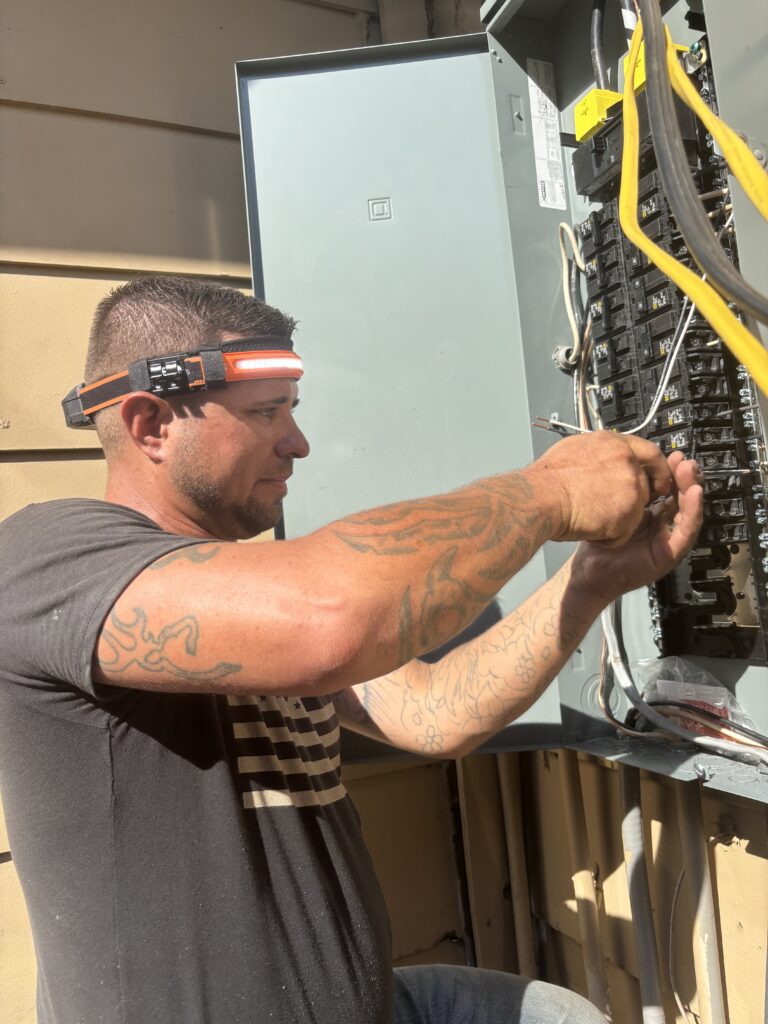
Grounding the Hot Tub Electrical Circuit Properly
The equipment grounding conductor is separate from the bonding system and serves a different role. This green or bare copper wire runs from the main electrical panel to the hot tub equipment along with the hot and neutral conductors. Its job is to provide a low-resistance path back to the panel during a ground fault. When a fault occurs, the grounding conductor allows enough current to flow to trip the GFCI breaker quickly. Without proper grounding, a fault could energize the hot tub frame and create a serious shock hazard. Every hot tub circuit must have a continuous, properly sized equipment grounding conductor.
The grounding conductor size is based on the circuit breaker rating, not the wire gauge of the ungrounded conductors. A 50-amp circuit typically requires a 10-gauge copper grounding conductor according to NEC Table 250.122. This wire runs in the same conduit as the hot and neutral conductors all the way from the panel to the hot tub. Splices in the grounding conductor must be made with approved connectors inside accessible junction boxes. Buried or hidden splices are not permitted under any circumstances. Risen Power Electric runs continuous grounding conductors on every hot tub installation for maximum safety.
Ground rods are not a substitute for the equipment grounding conductor. Some homeowners assume that driving a ground rod near the hot tub provides adequate grounding, but this is not correct. The ground rod at the main service is part of the grounding electrode system for the entire home. The hot tub itself relies on the equipment grounding conductor running back to the panel for fault clearing. Mixing up these two systems is a common DIY error that creates dangerous conditions. A licensed electrician understands the difference and installs each system according to code.
Testing the Hot Tub Electrical Safety Systems
Once the wiring is complete, every safety system must be tested before the hot tub is filled with water. The GFCI breaker is tested using its built-in test button and a calibrated GFCI tester to confirm proper operation. The bonding grid is checked with a low-resistance ohmmeter to verify continuity between all metal components. Voltage readings are taken at the disconnect and at the equipment pack to confirm the correct supply voltage. Any reading outside the manufacturer’s specifications must be corrected before the system is energized. Testing is the final step that confirms the installation is safe to use.
Insulation resistance testing checks for damaged conductors or wet connections inside the conduit. A megohmmeter applies a high voltage between the conductors and ground to detect any breakdown in insulation. Readings below the manufacturer’s minimum indicate a problem that must be repaired before the circuit is put into service. This test catches problems that would otherwise show up as nuisance GFCI trips after the hot tub is filled. Skipping this step often leads to callbacks and frustration for homeowners. Risen Power Electric performs full commissioning tests on every hot tub installation.
Final inspection by the local authority having jurisdiction is the last step in the process. The inspector verifies that all permits are closed out, the bonding and grounding are correct, and the GFCI protection is in place. Any deficiencies must be corrected before the system is approved for use. Once the inspection passes, the homeowner receives documentation that the installation meets all applicable codes. This paperwork is important for insurance purposes and for any future home sale. Need a code-compliant hot tub circuit installed this summer? Click here for our hot tub installation service.
Why You Need a Licensed Electrician for Hot Tub Wiring
Hot tub wiring is one of the most demanding electrical projects in residential work, and it is not a good fit for a weekend DIY job. The combination of high voltage, water, and outdoor exposure creates risks that only a trained electrician can manage safely. Permits, inspections, and code compliance all require professional knowledge and experience. A licensed electrician also carries the insurance needed to protect you and your home during the installation. Trying to save money by handling the wiring yourself often costs more in the long run.
Safety Reasons to Hire a Licensed Hot Tub Electrical Professional
Water and electricity together create some of the most dangerous conditions in any home. A small wiring mistake near a hot tub can lead to a fatal shock, even with GFCI protection installed. Licensed electricians understand how to design and install systems that account for every possible fault condition. Their training covers years of code updates, real-world troubleshooting, and hands-on experience with similar installations. This depth of knowledge is impossible to replicate by watching online videos.
Insurance coverage is another reason to hire a licensed professional. Most homeowner’s policies require that major electrical work be performed by a licensed contractor. An unpermitted or DIY hot tub installation can void coverage if a fire or injury claim is ever filed. The cost of a professional installation is small compared to the financial risk of an uninsured loss. Risen Power Electric carries full liability and workers’ compensation insurance on every job. This protection extends to the homeowner from the moment work begins.
Long-term reliability is the third reason to use a licensed electrician. A properly installed hot tub circuit will run for decades without issues if it is built to code with quality materials. Cheap shortcuts often show up as problems within the first year, leading to expensive repairs and equipment damage. A licensed electrician stands behind the work with a warranty and provides ongoing support if questions come up later. This relationship is something a DIY install simply cannot offer.

Code Compliance Reasons for Professional Hot Tub Electrical Work
The National Electrical Code is updated every three years, and the rules for hot tub wiring change with each cycle. Keeping up with these changes is a full-time job for licensed electricians. A code requirement that was acceptable five years ago may no longer pass inspection today. Professional electricians attend continuing education classes to stay current on every update. This knowledge is built into every installation they perform.
Local amendments to the NEC also vary from one Texas jurisdiction to the next. Hunt County, Hopkins County, and Rains County may each have slightly different requirements for outdoor electrical work. A licensed electrician working in the area knows these local rules and applies them automatically. This local knowledge prevents costly rework after a failed inspection. Risen Power Electric is familiar with code requirements throughout the Lone Oak service area.
Documentation and permitting are handled completely by the electrical contractor on a professional job. The permit application, plan submittal, and inspection scheduling are all part of the service. Homeowners do not have to navigate the local building department or interpret code language on their own. This service alone is worth the cost of professional installation for many customers. Need help with a permitted hot tub circuit? Click here for our hot tub installation service.
Why Choose Risen Power Electric for Your Hot Tub Electrical Installation
Risen Power Electric brings master electrician expertise to every hot tub installation in Lone Oak and the surrounding communities. The team is licensed, insured, and trained to handle the full scope of work from load calculation through final inspection. Every job includes clear communication from start to finish so homeowners always know what is happening and why. Honest recommendations are part of the service, and there is no upselling or pressure to add unnecessary work. The focus is on getting the installation done right the first time.
Veteran discounts are available for those who have served, and diagnostic fees are waived when the repair work is handled by the company. Twenty-four hour emergency electrical service is also available for situations that cannot wait. The team treats every home with respect and leaves the work area clean at the end of each day. This combination of skill and service is why local homeowners trust Risen Power Electric for their backyard hot tub projects. Long-term safety and performance are built into every installation. Ready to enjoy your backyard hot tub this summer with the peace of mind that comes from professional wiring? Risen Power Electric is ready to help with a free estimate and a clear plan for your project. Call (903) 413-7186 today to schedule your hot tub electrical installation with the trusted master electricians at Risen Power Electric.