
What Every Pool Owner Should Know About GFCI Outlets Before Memorial Day
Memorial Day weekend marks the unofficial start of pool season across Texas, and your backyard is about to see a lot of action. Before the first cannonball hits the water, your pool area needs an electrical safety check. GFCI outlets are the single most important defense against electric shock around water. These devices detect tiny imbalances in electrical current and shut off power in milliseconds. Pool owners who skip this check are gambling with serious consequences. A few minutes of preparation now can prevent a tragedy this summer. Understanding how these outlets work, where they belong, and when to replace them is essential knowledge for every pool owner.
How GFCI Outlets Protect Swimmers and Pool Equipment
A GFCI outlet, short for ground fault circuit interrupter, monitors the flow of electricity between the hot and neutral wires. When the device senses even a small difference in current, often as little as 5 milliamps, it cuts power instantly. This response happens faster than a heartbeat. Around pools, hot tubs, and other wet areas, this protection is the difference between a minor scare and a fatal accident. The National Electrical Code requires GFCI protection for all outlets within 20 feet of a pool. Texas inspectors take this rule seriously, and so should you.
The Science Behind GFCI Outlets and Pool Safety
Water conducts electricity, and the human body is mostly water. When a person is in or near a pool, even a small electrical leak can cause muscle paralysis, drowning, or cardiac arrest. A GFCI outlet measures the current going out through the hot wire and compares it to the current returning through the neutral wire. These two values should match perfectly under normal conditions. If electricity finds another path back, such as through a swimmer’s body, the imbalance triggers the trip mechanism. The outlet shuts down before any harmful current can build up.
This protection works for any device plugged into the outlet, including pool pumps, vacuum cleaners, radios, and string lights. The response time of a properly functioning GFCI is between 25 and 40 milliseconds. That speed matters because the human heart can go into fibrillation after sustained exposure to current as low as 100 milliamps. A standard breaker in your panel will not trip fast enough to prevent injury at these low current levels. GFCI technology was designed specifically to fill this gap.
Pool equipment puts unique stress on electrical systems because of constant moisture exposure. Chlorine vapor, splashing water, and humid Texas air all accelerate corrosion inside outlets and junction boxes. Even outlets in good cosmetic condition may have compromised internal components after a few seasons. Annual testing is the only way to confirm your GFCI outlets are still doing their job. Want a professional check before the season starts? Click here for our GFCI outlet installation service.

Where GFCI Outlets Must Be Installed Around Your Pool
The National Electrical Code is specific about GFCI placement around swimming pools, and the rules exist because of real injuries and deaths. Any receptacle within 20 feet of the inside wall of a pool must have GFCI protection. This includes outlets on the side of the house, on detached structures, and on poles or posts. Outlets serving pool pumps, heaters, and other equipment must also be GFCI protected, even if they are hardwired rather than plugged in.
Between 6 and 20 feet from the water, outlets are permitted but must include GFCI protection. Inside the 6 foot zone, outlets are generally prohibited unless they serve specific pool equipment. The measurement is taken in a straight line from the water’s edge, not along the path a cord would travel. Many homeowners assume their builder followed code, but older pools and DIY installations often fall short. An electrical inspection can identify gaps in your current setup.
Hot tubs and spas have their own set of rules, with similar GFCI requirements within the same 20 foot radius. Outdoor lighting around the pool deck also needs GFCI protection if it operates on 120 volt circuits. Low voltage landscape lighting is exempt, but the transformer feeding it must still be protected. If you are unsure where your outlets fall in relation to the water, a licensed electrician can map your system and recommend upgrades. The cost of bringing a pool area up to code is small compared to the risk of skipping it.
Common GFCI Outlet Failures That Put Pool Users at Risk
GFCI outlets are mechanical devices with internal components that wear out over time. The most common failure mode is the outlet continuing to provide power while losing its protective function. From the outside, the outlet looks fine, and devices plugged into it work normally. Only a test using the built in test button or a plug in tester can reveal the failure. Industry studies suggest that a meaningful percentage of GFCI outlets older than 10 years no longer trip within safe parameters.
Voltage surges from lightning storms, common across Texas in spring and summer, are a leading cause of GFCI damage. A nearby strike can fry the sensitive electronics inside the outlet without affecting the visible parts. Power flickers from utility company switching also contribute to gradual degradation. Outlets in direct sun, exposed to rain, or located near pool chemicals fail faster than those in protected indoor locations. Weather resistant covers help, but they do not eliminate the wear.
Loose wire connections inside the outlet box can cause intermittent tripping or complete failure of the GFCI function. Rodents, insects, and moisture intrusion are surprisingly common culprits in outdoor boxes. Some homeowners notice their GFCI tripping for no apparent reason and reset it without investigating the cause. This habit is dangerous because nuisance trips often indicate a real problem developing in the system. Need a thorough check of your pool’s electrical system? Click here for our electrical inspection service.
Testing and Maintaining Your Pool’s GFCI Outlets Before Summer
Testing your GFCI outlets is something every pool owner should do at the start of each season. The process takes only a few minutes per outlet and requires no tools beyond what is built into the device itself. Monthly testing is the manufacturer recommendation, but most homeowners forget. Memorial Day weekend is the perfect annual reminder to inspect everything that powers your pool area. A working GFCI is your last line of defense, so confirming its function is non negotiable.
The Right Way to Test GFCI Outlets Around the Pool
Start by plugging a small lamp or radio into the outlet to confirm it has power. Press the button marked “TEST” on the face of the outlet. The lamp should turn off immediately, and the “RESET” button should pop out. If the lamp stays on, the GFCI is failing and needs immediate replacement. Press the “RESET” button to restore power and verify the lamp turns back on. This simple sequence confirms both the trip mechanism and the reset function are working as designed.
For a more thorough test, use a plug in GFCI tester available at any hardware store. These inexpensive devices simulate a ground fault and verify the outlet trips within the proper current threshold. Some testers also check for miswired outlets, reversed polarity, and open grounds. These wiring problems can prevent a GFCI from functioning correctly even if the trip mechanism itself is fine. Older homes with two prong outlets retrofitted to three prong configurations are particularly prone to grounding issues.
Test every outlet around your pool, not just the ones you use regularly. Outlets for pool pumps, heaters, and lighting circuits all need verification. If any outlet fails the test, label it clearly and stop using anything plugged into it until repairs are made. Do not assume a tripped GFCI is just a nuisance. The trip is the device telling you something is wrong somewhere in the circuit. Investigating the cause protects both your equipment and the people using your pool.
Signs Your Pool GFCI Outlets Need Replacement
Age is the most reliable indicator that a GFCI outlet needs replacement. Most manufacturers recommend replacement every 10 to 15 years, and outlets in outdoor pool environments often need attention sooner. Discoloration, cracking, or warping of the outlet face suggests heat damage or UV degradation. Burn marks around the slots indicate arcing inside the device, which is both a fire hazard and a sign the outlet is on its last legs. Any of these visual cues warrants immediate professional inspection.
Frequent nuisance tripping is another warning sign that should not be ignored. A GFCI that trips when nothing is plugged in, or trips immediately after reset, is signaling a fault somewhere in the circuit. The fault could be in the outlet itself, in the wiring, or in a connected device. Tracking down the source requires methodical troubleshooting, often using specialized testing equipment. A licensed electrician can isolate the problem without damaging your pool’s electrical system.
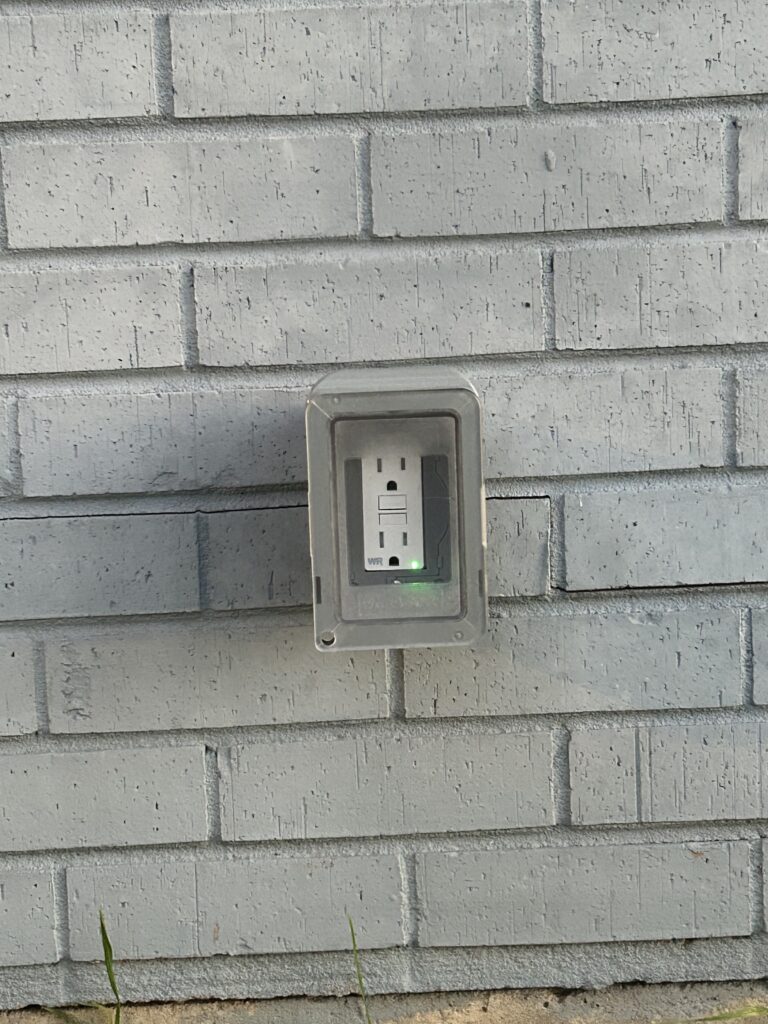
Outlets that feel warm to the touch, hum audibly, or show signs of moisture inside the cover need urgent attention. Water intrusion is especially dangerous because it can bypass the GFCI protection entirely under certain conditions. Weather resistant covers, often called “in use” or “bubble” covers, protect outlets even when something is plugged in. If your outdoor outlets only have flip up covers that close when nothing is plugged in, an upgrade is overdue. Call (903) 413-7186 to schedule a pre-season GFCI inspection before Memorial Day weekend.
Upgrading Older Pool Areas with Modern GFCI Outlets
Many older Texas homes have pool areas that were wired before current GFCI requirements existed. These setups may have functional outlets that are nonetheless dangerously out of step with modern safety standards. Upgrading is straightforward in most cases and dramatically improves the safety of the entire pool area. The upgrade can usually be done without major construction or disruption to the pool itself. Most pool electrical upgrades take less than a day to complete.
Today’s GFCI outlets include features that older models lacked, such as self testing circuitry and end of life indicators. Self testing models perform internal checks every few seconds and alert you when something is wrong. End of life indicators flash a small light when the outlet reaches the end of its reliable service life. These features take the guesswork out of maintenance and provide peace of mind throughout the season. The cost difference compared to basic GFCI outlets is minimal.
Weather resistant outlets, marked “WR” on the face, are now required for all outdoor installations. These outlets have internal seals and corrosion resistant components that stand up to the Texas climate. Pairing weather resistant outlets with proper in use covers creates a robust system that lasts for years. Combining the upgrade with a broader electrical inspection often reveals other improvements worth making. Click here for our pool wiring service to bring your setup up to current standards.
Why You Need Professional GFCI Service Before Memorial Day Weekend
Pool electrical work is not the place to cut corners or attempt DIY repairs. The combination of water, electricity, and a busy summer of guests creates serious risk if anything is wrong. A professional inspection and any needed upgrades will give you confidence that your pool is safe for everyone who uses it. Memorial Day weekend is just around the corner, and qualified electricians book up quickly as the season approaches. Scheduling now ensures your pool is ready when the first guests arrive.
Avoid the Dangers of DIY GFCI Outlet Installation
Replacing a GFCI outlet looks simple on YouTube, but pool electrical work has nuances that catch even experienced DIYers off guard. The line and load terminals on a GFCI must be wired correctly for the device to provide protection downstream. Reversing these connections is one of the most common mistakes, and the outlet will appear to work normally while leaving everything downstream unprotected. Only proper testing reveals the error, and by then the system has been falsely declared safe.
Outdoor pool circuits often include junction boxes, conduit runs, and weatherproof connections that require specific techniques. Improper sealing leads to water intrusion that can damage the entire circuit and create shock hazards. Bonding requirements for pool equipment are particularly strict, and missed bonds can put dangerous voltage on metal pool fixtures. These are not problems a homeowner can see or test for without specialized equipment. Professional electricians follow code requirements that were written in response to past accidents.
Permits and inspections are required for most pool electrical work in Texas, and unpermitted work can create headaches when you sell your home. Insurance claims related to pool accidents are often denied when unpermitted electrical work is discovered. A licensed electrician handles the permit process and ensures the work passes inspection on the first try. The cost of professional work is small compared to the consequences of doing it wrong. Your family’s safety is worth the investment.
Schedule Your Pre-Memorial Day Pool Electrical Inspection
Booking a professional inspection a week or two before Memorial Day gives you time to address any issues found. A complete inspection covers every outlet, switch, and piece of pool equipment in the electrical chain. The electrician tests GFCI function, checks for proper bonding, verifies wire sizing, and looks for signs of damage or wear. Any deficiencies are documented with clear explanations and repair recommendations. You receive a written report you can keep for your records.
The inspection also identifies energy saving opportunities that can lower your pool’s operating cost. Older pumps and lighting may draw far more power than modern equivalents, and the savings often pay for upgrades within a few seasons. LED pool lights and variable speed pumps are particularly cost effective replacements. The electrician can recommend products that fit your budget and pool configuration. These decisions are easier to make with professional input than from internet research alone.
Calling early in the season also gives you flexibility on scheduling. Late May and early June fill up fast for pool electricians, and emergency calls during the holiday weekend cost more than planned service. A scheduled visit during normal business hours is faster, cheaper, and more thorough. The technician has time to do the job right without rushing to the next emergency. Your pool deserves the same care you would put into any major investment in your home.
Why Choose Risen Power Electric for Pool GFCI Service
Risen Power Electric is owned and operated by a master electrician with deep experience in pool and outdoor electrical systems. We understand the specific challenges of Texas pool installations, from sun damaged equipment to chlorine corrosion to summer storm damage. Every job is handled with the same care we would put into our own homes. We are fully licensed and insured, and we stand behind every installation with a written guarantee. Veteran discounts are available as a small thank you for your service.
Honest recommendations are at the core of how we do business. We will not upsell you on equipment you do not need, and we will tell you when a repair is more cost effective than a replacement. If we handle the repair, the diagnostic fee is waived. Our quotes are clear and complete, with no surprise charges at the end of the job. Clear communication from start to finish means you always know what is happening with your project. We answer your questions in plain language, not electrical jargon.
We serve pool owners throughout Lone Oak, Sulphur Springs, Emory, Quitman, and the surrounding North Texas communities. Same day service is often available for urgent issues, and we offer 24/7 emergency electrical service for true emergencies. Before Memorial Day weekend arrives, take a few minutes to make sure your pool is electrically safe. Call Risen Power Electric today at (903) 413-7186 to schedule your pre-season GFCI inspection and pool electrical check.