
The Homeowners Guide to Adding a Subpanel for a Garage Workshop
Adding a subpanel to a garage workshop gives homeowners the power capacity needed to run heavy tools, lighting, and equipment safely. A subpanel acts as a secondary electrical hub that branches off the main service panel, allowing dedicated circuits for the workshop without overloading the rest of the home. With late spring in Texas being the perfect time for garage upgrades before summer heat sets in, many homeowners in Lone Oak and surrounding areas are tackling this project now. The right subpanel setup supports table saws, welders, air compressors, dust collectors, and shop lighting all at once. Knowing what a subpanel does and how it gets installed helps homeowners plan the project correctly. This guide walks through every step, from sizing to permitting, so the workshop runs reliably for years.
What a Garage Workshop Subpanel Does for Your Home
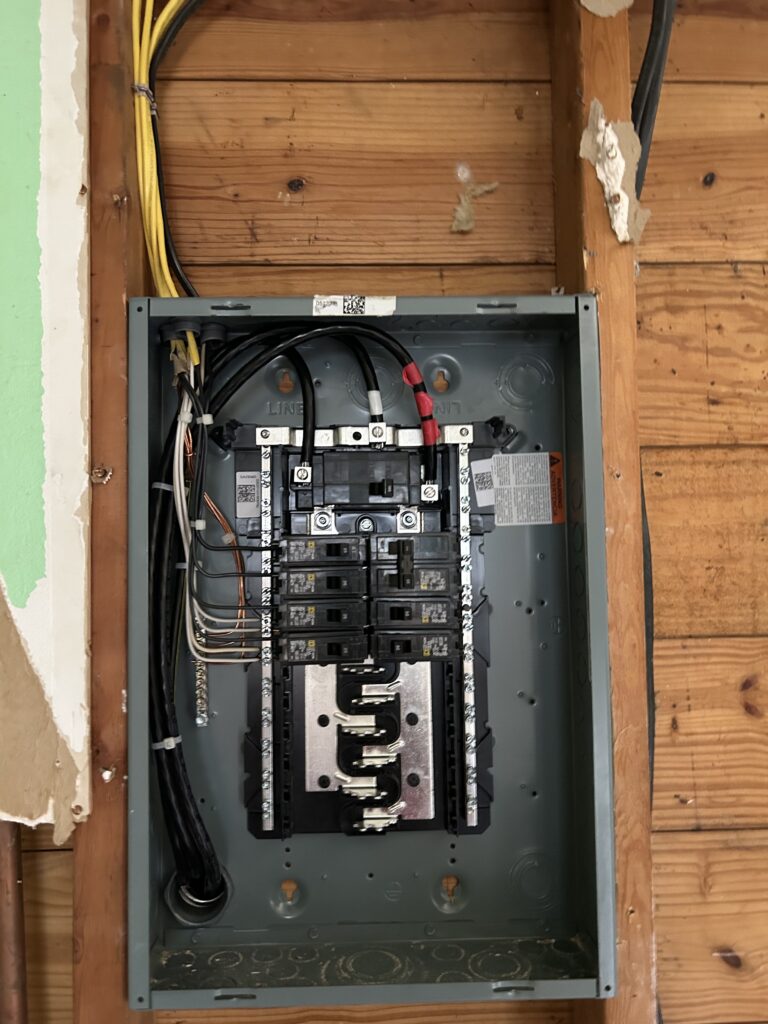
A garage workshop subpanel works as an extension of the main electrical panel, sending power to a separate set of breakers dedicated to the workshop space. This setup keeps workshop circuits isolated from household circuits, which reduces the chance of nuisance trips during heavy tool use. The subpanel houses its own breakers, neutral bar, and grounding system, making it easier to manage power loads in one centralized spot. Homeowners gain flexibility because new circuits can be added directly at the subpanel instead of running long wire pulls back to the main panel. The result is a cleaner, safer, and more efficient electrical setup for any garage workshop.
Why a Garage Workshop Subpanel Improves Power Capacity
A garage workshop subpanel increases the total amperage available to your tools and equipment without taxing the main electrical panel. Most main panels in older homes carry a 100 to 200 amp rating, and dedicating 60 to 100 amps to a workshop subpanel frees up the home for other essential loads. With dedicated capacity, large draw machines like welders, dust collectors, and air compressors can run at the same time. This prevents breaker trips that interrupt projects and wear out components inside the main panel. Subpanels also allow for 240 volt circuits, which many serious workshop tools require for proper operation. Homeowners who add a subpanel often find their entire home runs more smoothly because the main panel no longer carries the full workshop load.
The amperage chosen for the subpanel should match the workshop’s expected demand, with most hobbyist shops running well on a 60 amp feed and professional shops needing 100 amps or more. Installing more capacity than currently needed leaves room for future tool purchases or upgrades. A qualified electrician calculates the total load based on tool wattage, lighting, HVAC, and outlets to determine the correct subpanel size. Undersized subpanels lead to overheating, voltage drops, and tripped breakers under heavy use. Oversized subpanels do no harm and provide a safety buffer for growing workshops. Choosing the right size at installation saves money long term because rewiring later costs significantly more than upsizing during the initial project.
Adding a subpanel also opens the door for 240 volt outlets, which power equipment like welders, plasma cutters, large air compressors, and EV chargers. Many serious workshop tools simply will not run on standard 120 volt circuits, making a subpanel essential for any homeowner expanding their capabilities. A properly installed subpanel also keeps voltage stable, which protects sensitive electronics like CNC machines and battery chargers. Need expert help sizing and installing a workshop subpanel? Click here for our electrical panel upgrade service.
How a Garage Workshop Subpanel Protects Your Main Panel
A garage workshop subpanel protects the main electrical panel by reducing the number of circuits and the total load running directly through it. Main panels have a fixed number of breaker slots, and packing them full of workshop circuits creates heat buildup that shortens the panel’s lifespan. Distributing circuits across a subpanel keeps the main panel cooler and extends the life of the bus bars, breakers, and wiring inside. This protection matters most in older homes where the main panel may already be near full capacity. A subpanel acts as a buffer that absorbs the workshop’s electrical demand.
Heavy workshop tools create electrical surges and inrush currents when they start up, especially motors on saws, compressors, and welders. These surges can stress the main panel’s components if every workshop circuit feeds directly into it. A subpanel isolates these surges to its own breakers, which trip first if a fault occurs, leaving the main panel untouched. This isolation reduces wear on the main breaker and the utility company’s service equipment. It also makes troubleshooting easier because workshop issues stay contained to the subpanel side of the system.
Subpanels also provide an extra layer of safety through their own dedicated grounding and bonding setup. The neutral and ground bars in a subpanel stay separated, which prevents dangerous ground loops and stray voltage in the workshop. Properly installed subpanels meet National Electrical Code requirements that protect both the home and the people working inside the garage. This setup matters in workshops where metal tools, water, and electricity often share the same space. A protected main panel means fewer service calls and a longer lasting electrical system overall.
When to Add a Garage Workshop Subpanel to Your Property
A garage workshop subpanel makes sense when homeowners plan to run multiple tools, install dedicated 240 volt outlets, or upgrade workshop lighting beyond what a single 20 amp circuit can handle. Signs that a subpanel is needed include frequent breaker trips, dimming lights when tools turn on, and outlets that feel warm to the touch. These symptoms point to an overloaded circuit or main panel that cannot keep up with workshop demand. Adding a subpanel solves these issues by providing dedicated capacity for the garage. Most homeowners notice immediate improvements in tool performance after a subpanel installation.
Detached garages almost always benefit from a subpanel because running multiple individual circuits underground or overhead from the main panel becomes expensive and impractical. A single feeder cable to a subpanel costs less than four or five separate circuit runs. The subpanel then distributes power locally inside the garage, which simplifies future expansions. Attached garages also benefit when the main panel sits far from the workshop area or lacks open breaker slots. Either situation makes a subpanel the cleaner solution.
Homeowners planning future upgrades like EV chargers, mini split HVAC systems, or workshop additions should install a subpanel sooner rather than later. Doing the work once with the right capacity avoids tearing into walls and ceilings multiple times. Permitting and inspection requirements also favor a single comprehensive project over piecemeal additions. Looking for a licensed electrician to evaluate your garage workshop needs? Click here for our electrical inspection service.
How a Garage Workshop Subpanel Gets Installed Correctly
Installing a garage workshop subpanel requires careful planning, the right materials, and strict adherence to the National Electrical Code. The process starts with calculating load, choosing wire sizes, and pulling permits before any physical work begins. A licensed electrician handles the connection at the main panel because working inside an energized service panel carries serious risk. The subpanel itself gets mounted in an accessible location with proper clearance and labeled breakers for easy identification. Each step affects the safety, reliability, and long term performance of the workshop’s electrical system.
Planning Your Garage Workshop Subpanel Installation
Planning a garage workshop subpanel installation begins with a complete load calculation that accounts for every tool, light, outlet, and HVAC unit in the space. This calculation determines the feeder cable size, breaker rating, and subpanel amperage needed for safe operation. Electricians use the NEC’s standard load calculation method or perform an optional calculation based on actual demand data. Skipping this step leads to undersized installations that fail within the first year of use. A proper plan also identifies the best location for the subpanel based on accessibility and code clearance requirements.
Wire and conduit selection depends on the distance between the main panel and the subpanel, the amperage of the feeder, and whether the run goes through conduit, underground, or inside walls. Voltage drop becomes a serious issue on long runs, especially for detached garages, and electricians often upsize wire to compensate. Copper conductors handle higher loads than aluminum but cost more, while aluminum works fine for larger feeders when sized correctly. Conduit runs need proper fittings, supports, and burial depth based on local codes. Underground runs in Lone Oak typically require schedule 40 or schedule 80 PVC at the right depth.
Permits and inspections protect homeowners by ensuring the work meets code and gets reviewed by a qualified inspector. Most jurisdictions require a permit for any new subpanel installation, and inspections happen at rough in and final stages. Skipping permits creates problems during home sales and insurance claims because unpermitted work often violates coverage terms. A licensed electrician pulls the permit, schedules inspections, and documents the work properly. This paperwork becomes valuable when the home gets appraised, sold, or refinanced.
The Garage Workshop Subpanel Wiring Process
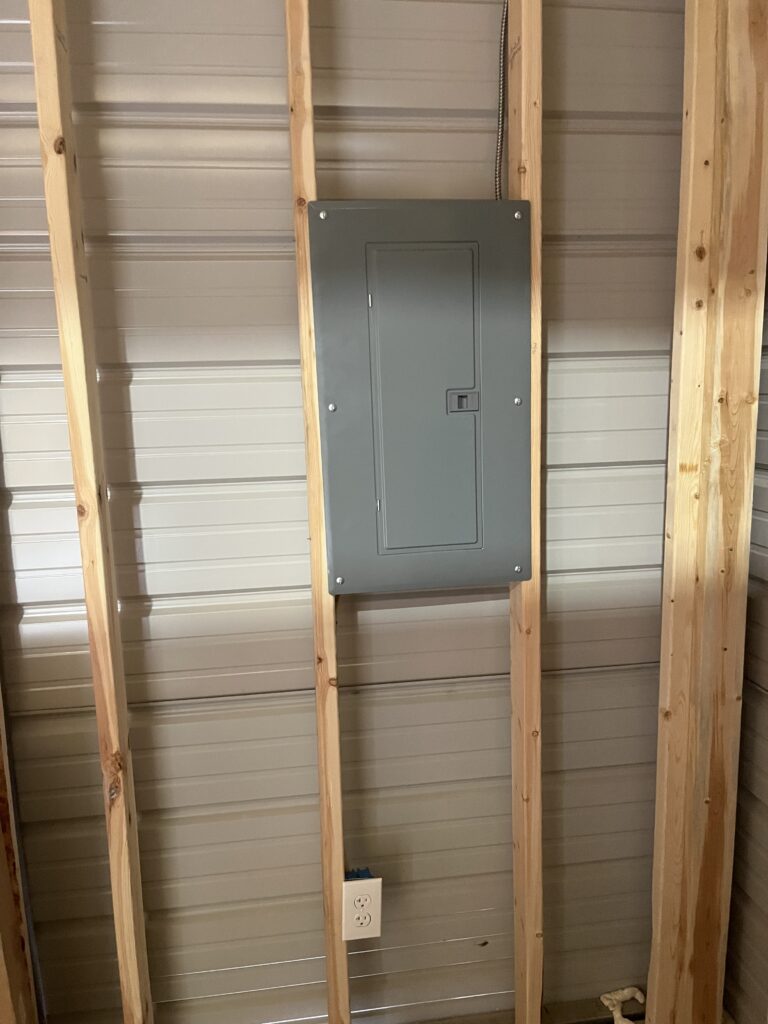
The wiring process for a garage workshop subpanel starts with shutting off the main panel and confirming zero voltage at the connection points. A four wire feeder cable runs from the main panel to the subpanel, carrying two hot conductors, one neutral, and one ground. This four wire setup is required by current code for all subpanels in detached structures and most attached garage installations. The hots connect to a double pole breaker in the main panel sized for the subpanel’s feeder rating. The neutral and ground connect to their respective bars inside the main panel.
Inside the subpanel, the neutral bar must be isolated from the equipment grounding bar, which is the opposite of how a main panel is wired. This separation prevents current from flowing on the grounding system during normal operation, which would create a shock hazard and code violation. The grounding electrode system for detached garage subpanels requires its own ground rods driven into the earth and bonded to the subpanel’s ground bar. Attached garage subpanels typically share the main panel’s grounding electrode system. Getting this bonding configuration right is one of the most common failure points in DIY subpanel installations.
Individual circuits inside the workshop branch off the subpanel’s breakers, with each tool, outlet group, or lighting zone getting its own dedicated circuit. GFCI protection is required for all 125 volt 15 and 20 amp receptacles in garages per current code. AFCI protection may also be required depending on the local jurisdiction’s code adoption. Circuit labels inside the subpanel cover identify what each breaker controls, which makes future troubleshooting and repairs faster. A well organized subpanel saves hours of diagnostic time when a problem appears down the road.
Common Garage Workshop Subpanel Installation Mistakes to Avoid
Common mistakes during a garage workshop subpanel installation include using the wrong feeder size, bonding the neutral to the ground inside the subpanel, and skipping the second ground rod for detached structures. Each of these errors creates safety hazards and code violations that fail inspection. Undersized feeders overheat under load and can melt insulation inside conduit or walls. Bonded neutrals in subpanels send current through the grounding system, energizing metal tools and equipment. Missing ground rods at detached garages leave the structure without proper fault protection.
Another frequent mistake involves mixing copper and aluminum conductors without the correct antioxidant compound and rated connectors. Aluminum to copper connections corrode and loosen over time, which creates resistance, heat, and eventual fire risk. All connections between dissimilar metals need listed connectors and proper torque specifications. Loose connections inside subpanels cause the majority of electrical fires in residential garages. Torque values printed on breakers and lugs must be followed exactly using a calibrated torque screwdriver or wrench.
DIY installers often overlook working clearance requirements around the subpanel, which the NEC specifies as 30 inches wide, 36 inches deep, and 78 inches tall in front of the equipment. This clearance must stay clear of storage, shelving, and tools at all times. Subpanels installed inside cabinets or behind shelving units fail inspection and create hazardous conditions during service work. Proper placement during the planning stage avoids costly relocations later. Hiring a licensed electrician eliminates these mistakes because trained professionals know the code and the consequences of getting it wrong.
Why You Need a Professional for Your Garage Workshop Subpanel Installation
Installing a garage workshop subpanel involves working with high voltage equipment, code compliance, and complex load calculations that demand professional expertise. A licensed master electrician brings the training, tools, and permits needed to complete the project safely and correctly. The cost of professional installation pays for itself through avoided mistakes, code compliance, and long term reliability. Risen Power Electric serves homeowners throughout Lone Oak, Royse City, Forney, Terrell, and surrounding North Texas communities with expert subpanel installations. Our team handles every step from planning through final inspection.
Why Your Garage Workshop Subpanel Needs a Licensed Master Electrician
A licensed master electrician carries the knowledge of the National Electrical Code, local amendments, and utility company requirements that govern subpanel installations. This training prevents the common mistakes that DIY installers make and that often go unnoticed until a fire, shock, or failed inspection happens. Licensed electricians also carry liability insurance that protects homeowners if something goes wrong during or after the installation. This coverage matters because home insurance policies often deny claims tied to unpermitted electrical work. Hiring a licensed pro provides peace of mind that the job meets every safety standard.
Master electricians have the tools and experience to handle the connection at the main service panel, which is the most dangerous part of a subpanel installation. Working inside an energized panel without proper training and equipment can cause arc flash injuries, electrocution, or death. Professionals shut down power safely, verify zero voltage, and make connections with the right torque and technique. They also know how to spot existing issues inside the main panel that need attention before the subpanel goes in. This inspection often catches problems homeowners never knew existed.
A licensed electrician handles the permit and inspection process from start to finish, which saves homeowners hours of paperwork and confusion. Inspectors trust work done by licensed professionals and often clear the project faster than DIY installations. The final inspection certificate becomes part of the home’s permanent record and adds value at resale. Need a licensed master electrician for your subpanel project? Click here for our electrical panel upgrade service.
Why a Garage Workshop Subpanel Demands Code Compliant Workmanship
Code compliant workmanship on a garage workshop subpanel means every wire, connection, and component meets the National Electrical Code and local jurisdiction requirements. Code requirements change every three years with new NEC cycles, and licensed electricians stay current through continuing education. Outdated installation methods that worked ten years ago may no longer pass inspection today. Professionals know which requirements apply to subpanels, detached structures, GFCI protection, AFCI protection, and grounding systems. This current knowledge protects homeowners from installation work that fails immediately or down the road.
Workmanship also affects the long term reliability of the subpanel and the entire workshop electrical system. Properly torqued connections, neat wire routing, and labeled breakers make future service calls faster and cheaper. Sloppy work hides problems that surface years later as intermittent issues, mysterious trips, or sudden failures. Good electricians take pride in their work and treat every installation as if it were in their own home. This attention to detail shows in the finished product.
Code compliance also protects the home’s value during real estate transactions and insurance claims. Buyers’ inspectors often flag electrical work that does not meet current code, which can derail sales or force expensive corrections. Insurance companies investigate the cause of electrical fires and deny claims when they find unpermitted or noncompliant work. Investing in code compliant workmanship at installation prevents these issues entirely. The small premium for a licensed pro pays back many times over.
Why Choose Risen Power Electric for Your Garage Workshop Subpanel
Risen Power Electric brings master electrician licensing, full insurance, and years of experience installing garage workshop subpanels across North Texas. Our team handles load calculations, permitting, installation, and inspection coordination so homeowners can focus on enjoying their finished workshop. We use only quality materials and follow the latest National Electrical Code requirements on every job. Clear communication keeps homeowners informed from the first estimate through the final walkthrough. Honest recommendations mean we never push upgrades that do not benefit the customer.
Our team waives diagnostic fees when we handle the repair, which keeps electrical service affordable for homeowners. Veteran discounts are available for those who have served our country. We offer 24/7 emergency electrical services for unexpected issues that cannot wait until business hours. Every project gets the same focus on long term safety and performance, no matter the size. This commitment is why homeowners throughout Lone Oak, Sulphur Springs, Canton, and surrounding areas trust Risen Power Electric. Ready to add a garage workshop subpanel to your home? Risen Power Electric is here to help with expert installation, fair pricing, and quality workmanship that lasts. Our master electrician handles every aspect of the project from planning through final inspection. Call us today at (903) 413-7186 to schedule a free consultation and load calculation for your workshop. We look forward to powering your projects safely and reliably for years to come.